
1. Basic No-Hole Ironing (Standard Method)
Perfect for beginners, this is the foundation of all no-hole techniques, ideal for everyday projects like coasters or magnets.
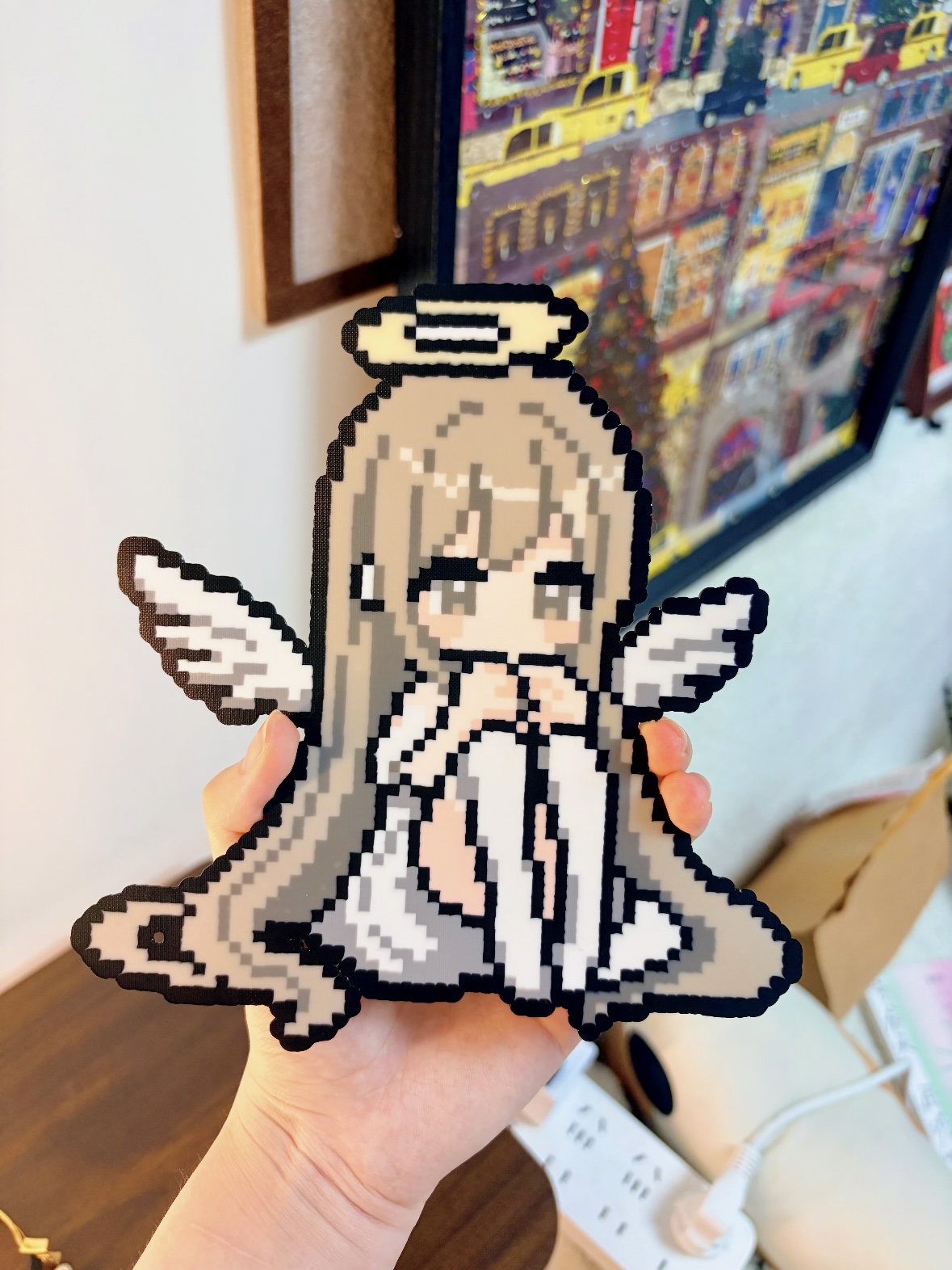
What You'll Need:
- Dry iron (medium heat, no steam)
- Parchment paper (or official Perler ironing paper)
- Flat, heat-safe surface
Step-by-Step:
- Preheat your iron to medium (wool setting) with steam turned off.
- Place your design on a pegboard, then cover it with parchment paper.
- Move the iron in slow, circular motions across the entire project, applying light pressure. Start with 10–15 seconds, then check progress.
- Continue ironing in 5-second bursts until the holes are fully closed and the surface is smooth.
- Let the design cool completely before peeling off the paper. For extra strength, flip the piece and repeat on the back side.
2. Fine-Grain Baking Cloth Method
For a subtle, uniform matte finish that hides minor ironing imperfections, this method uses a fine-textured baking cloth to create a smooth, consistent surface.
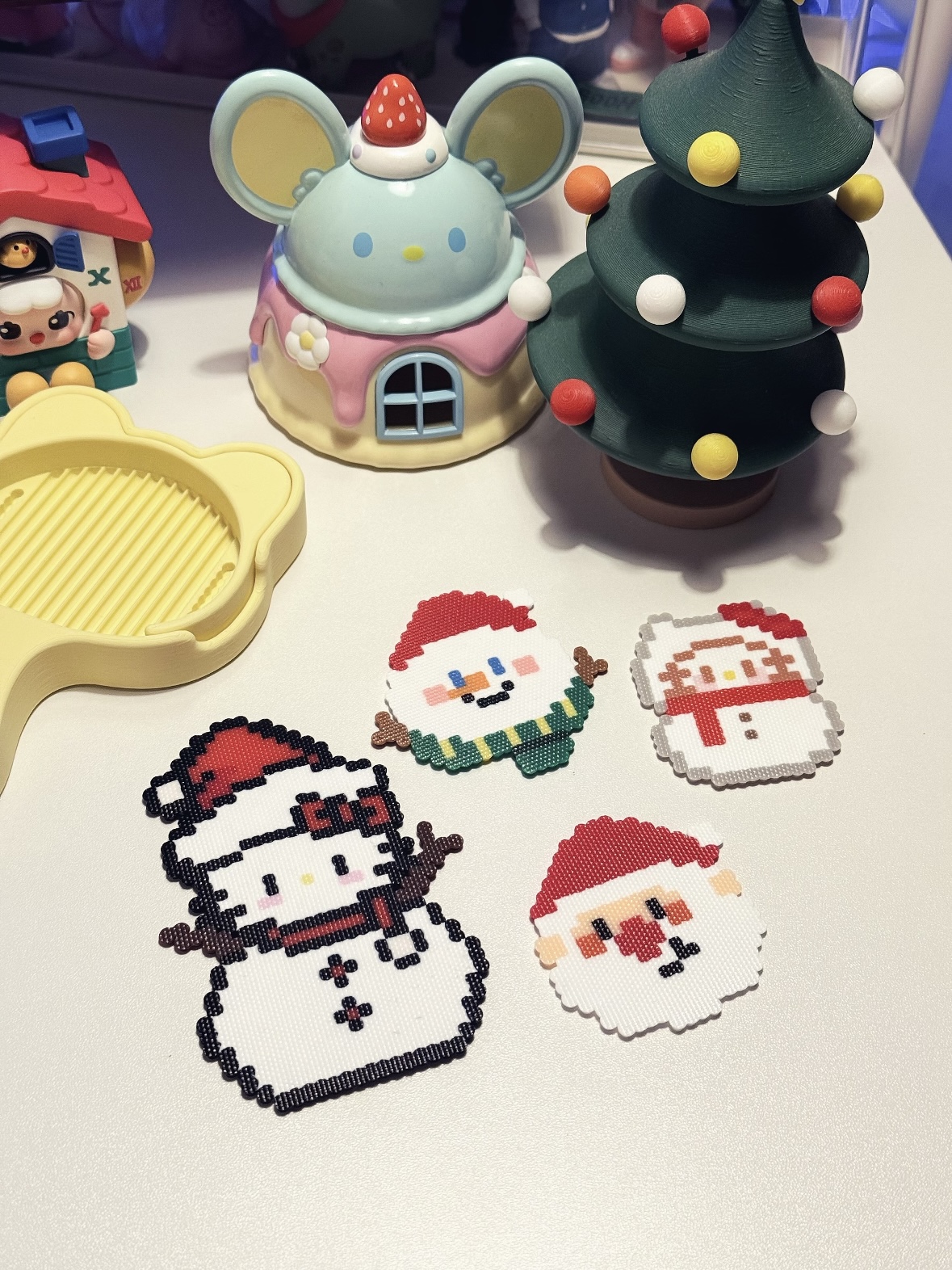
What else do you need: a piece of fine-grain baking cloth
Step-by-Step:
- Place a clean, fine-grain baking cloth over your design (use one designed for heat-resistant crafting).
- Iron on medium heat with slow, even strokes. The cloth will distribute heat evenly, preventing hotspots.
- Check after 15 seconds—you'll see a subtle matte texture form as the beads melt. Continue until holes are closed.
- Let cool, then remove the cloth. The result is a soft, even finish with no shiny spots.
3. Coarse-Grain Baking Cloth Method
If you love a textured, tactile finish with a hint of "industrial" charm, the coarse baking cloth method creates a unique, non-slip surface perfect for coasters or functional pieces.
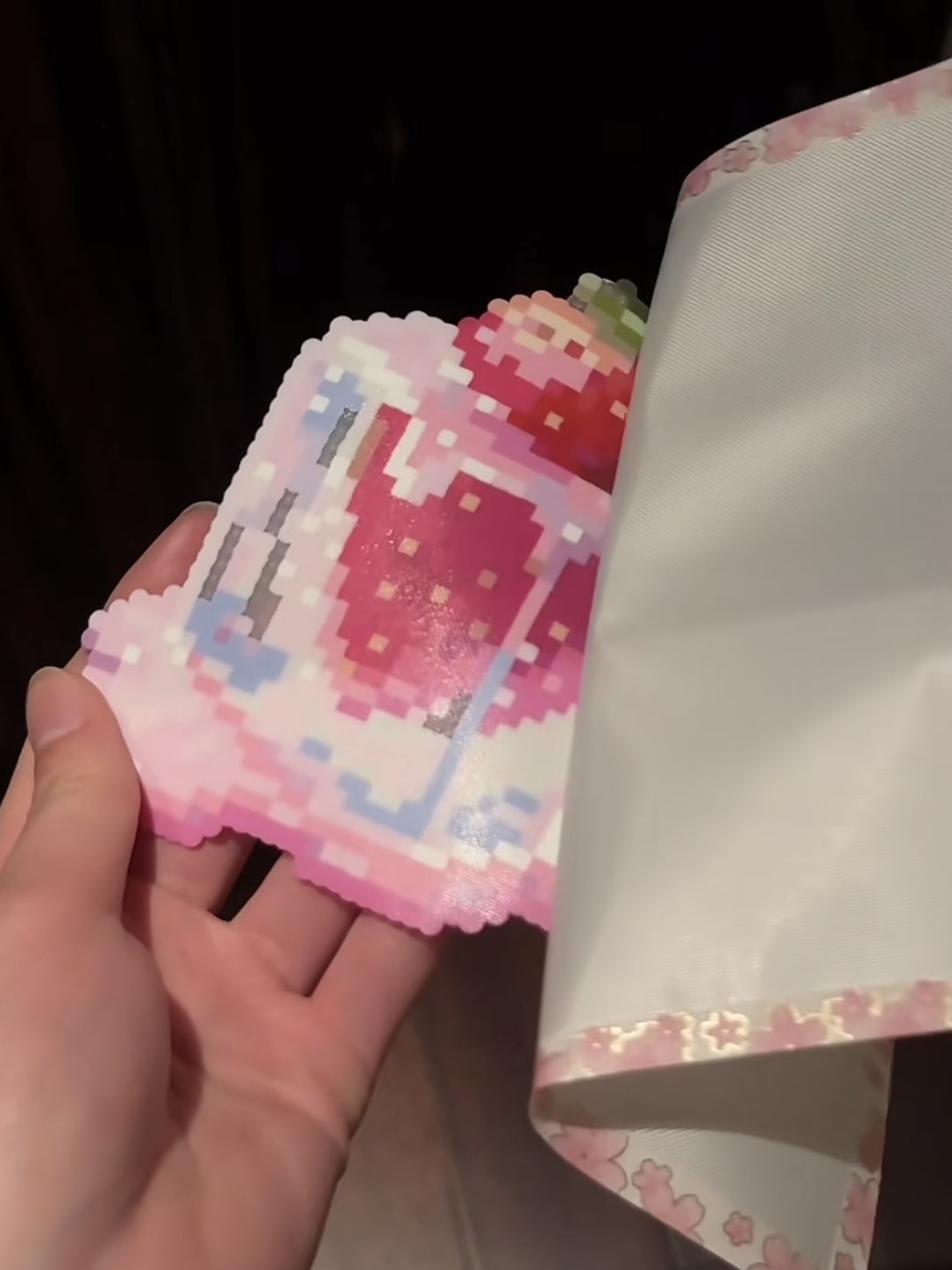
What else do you need: a piece of coarse-grain baking cloth
How to Do It:
- Use a thick, coarse-weave baking cloth (or even a clean canvas cloth) over your design.
- Iron with medium heat, applying slightly more pressure than the fine cloth method. The weave will leave subtle, raised patterns on the melted beads.
- Iron until the holes are fully closed—this may take 20–30 seconds, as the thick cloth insulates some heat.
- Once cooled, the surface will have a distinct, grippy texture that's perfect for everyday use.
4. Bath Towel Ironing Method
A budget-friendly hack for beginners, using a clean bath towel creates a soft, matte finish while protecting your iron and beads from overheating.
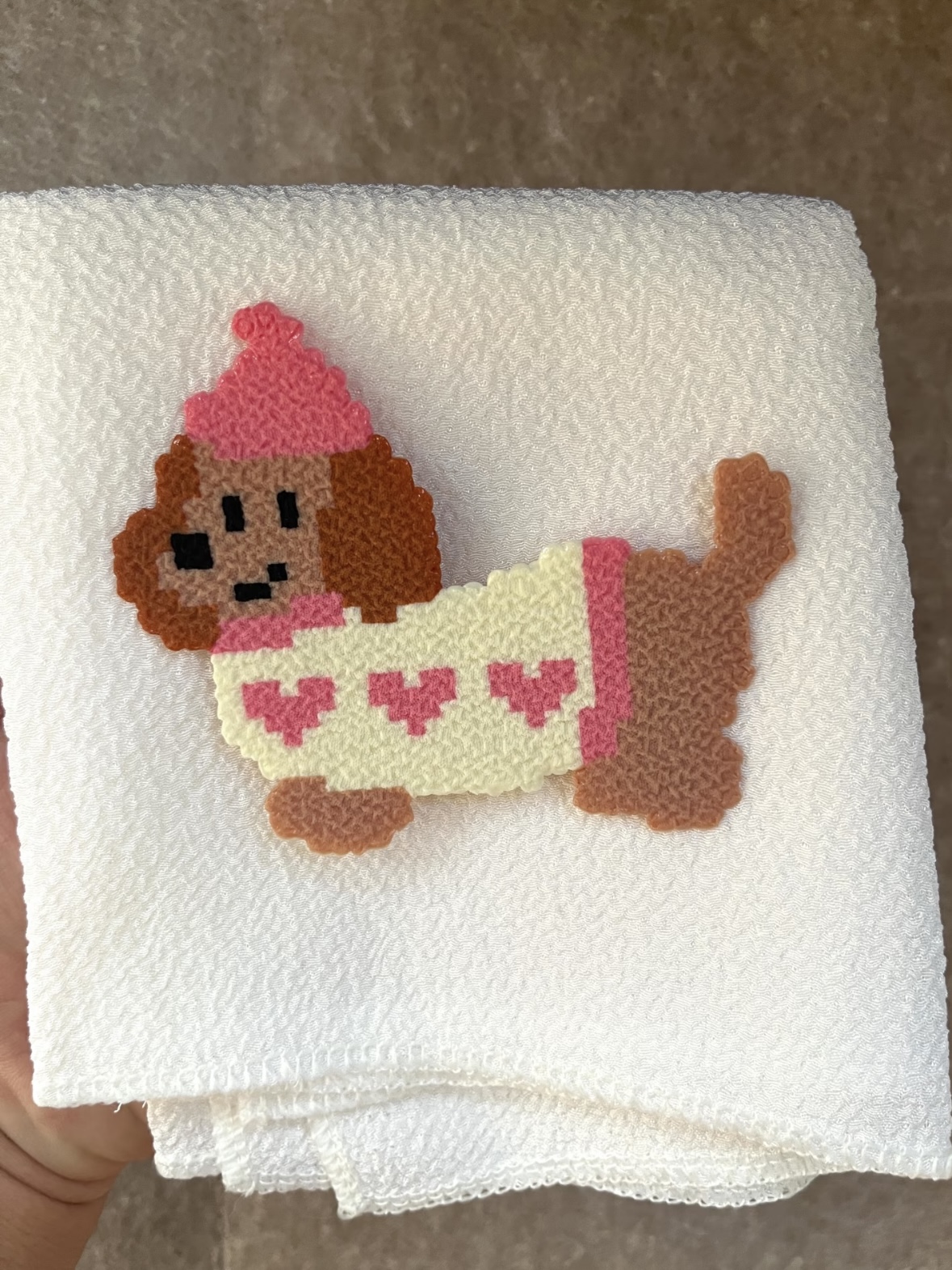
What else do you need: a bath towel
How to Do It:
- Lay a clean, thin bath towel over your design (avoid thick, fluffy towels—they trap too much heat).
- Iron on medium heat with slow, steady strokes. The towel acts as a buffer, preventing direct contact and slowing heat transfer.
- Iron for 20–30 seconds, checking progress frequently. The towel will absorb excess heat, reducing the risk of burning.
- Once the holes are closed, remove the towel and let the design cool. The finish will be soft and matte, with a subtle texture from the towel's weave.
5. Shiny Gloss No-Hole Ironing
For a mirror-like, high-gloss finish that makes colors pop, this method uses heat and pressure to create a smooth, reflective surface.
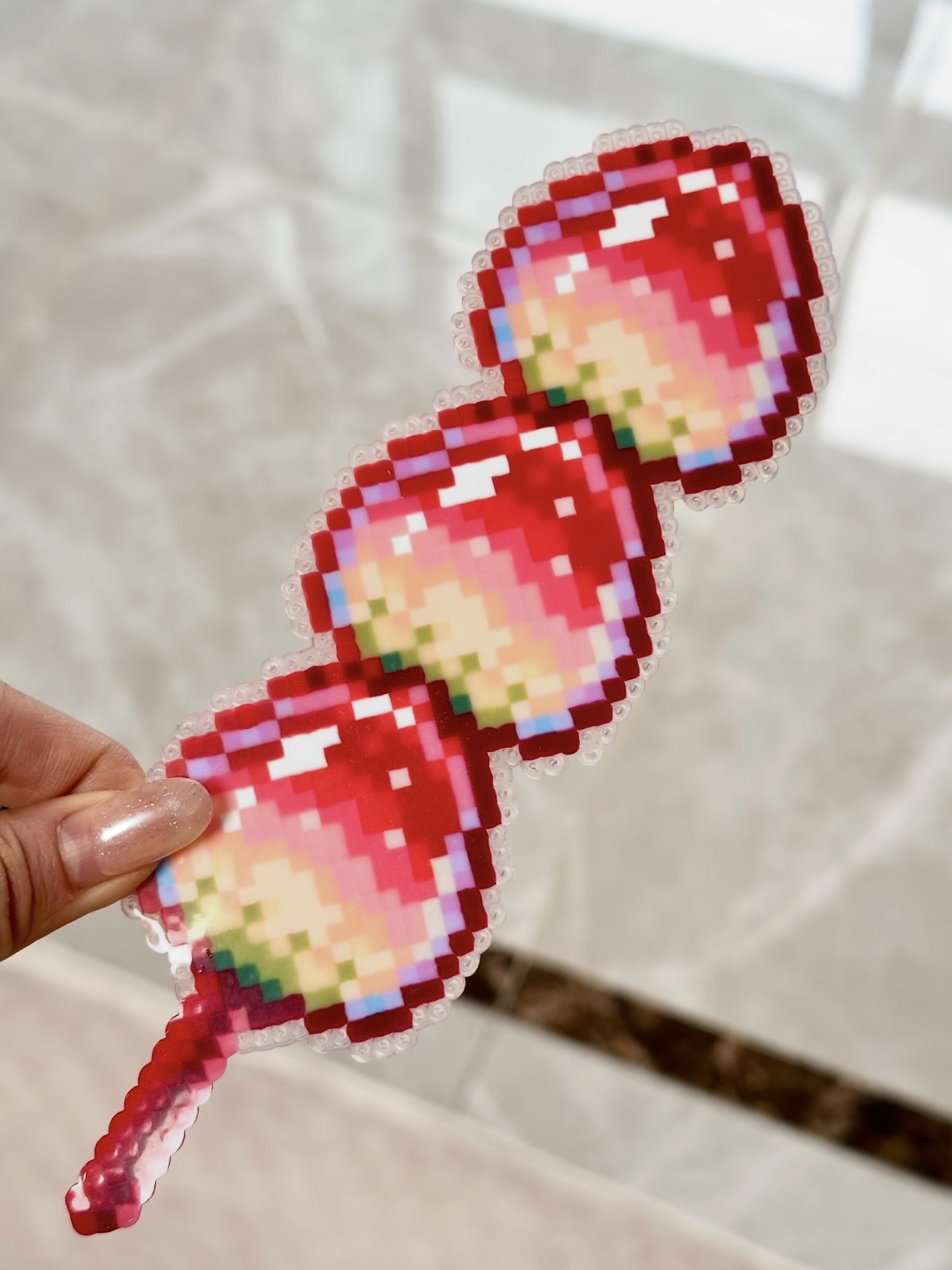
What else do you need: a piece of glossy ironing paper
How to Do It:
- Cover your design with a single layer of high-quality parchment paper (thin paper works best for maximum heat transfer).
- Iron on medium-high heat, applying firm, even pressure in slow circular motions. The key is to keep the iron moving to avoid burning.
- Once the holes are closed, keep ironing for 10–15 more seconds to melt the top layer into a smooth surface.
- Take off the original paper, cover the beads with glossy ironing paper, and iron it again evenly.
- Immediately place a heavy, flat object (like a glass cutting board) on top of the project while it cools. This will press the melted beads into a perfectly flat, shiny finish.
6. Coarse Glitter (Glitter Sheet) Method
Take your projects to the next level with coarse glitter heat transfer sheets—this method adds a bold, sparkly finish that catches the light.
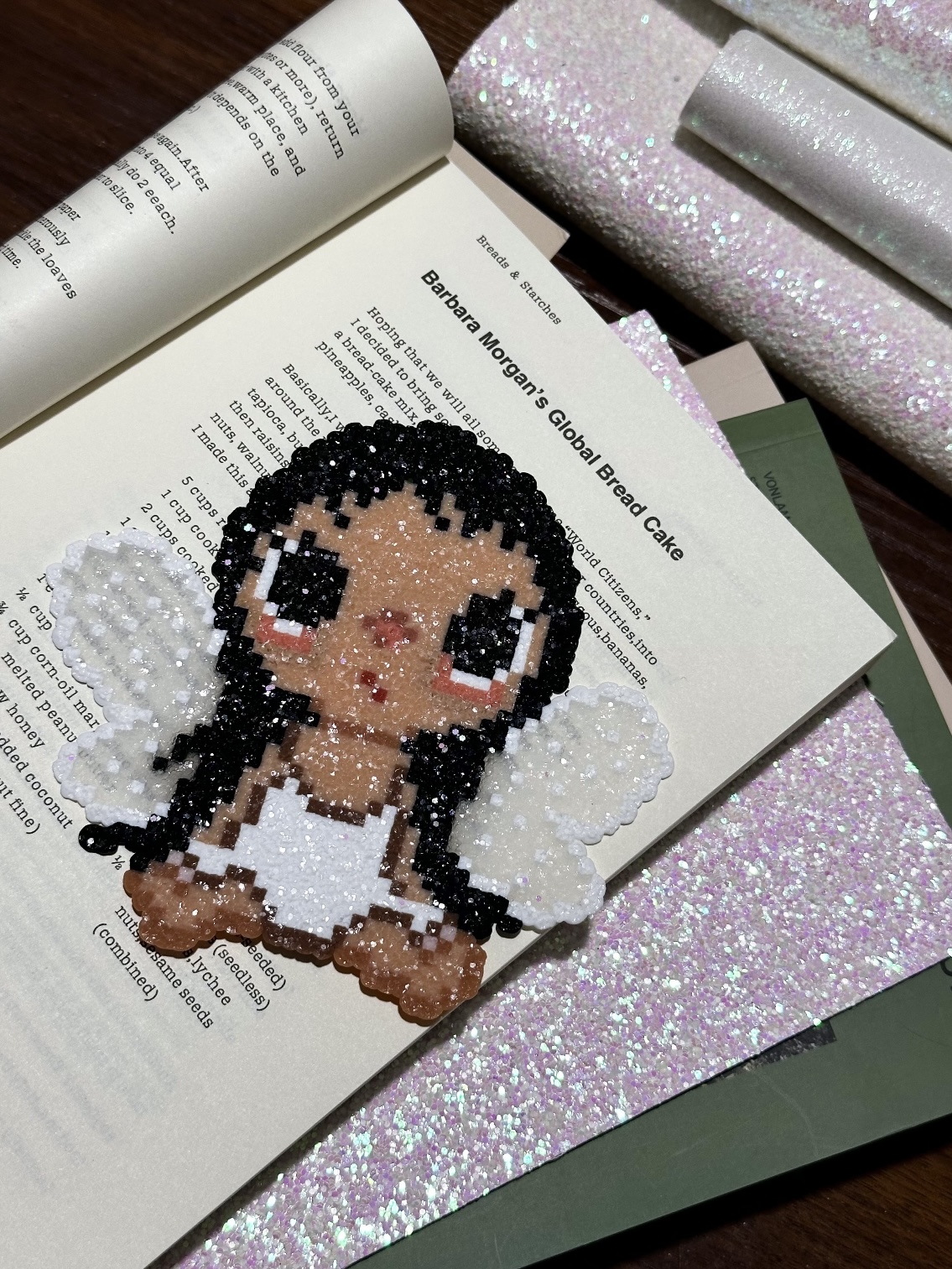
What else do you need: a piece of coarse glitter sheet
How to Do It:
- Cut a piece of coarse glitter heat transfer sheet to match your design size.
- Place the glitter sheet (glitter side up) over your design, then cover with parchment paper.
- Iron on medium heat with firm, even pressure. The heat will melt the glitter sheet onto the top of the beads, sealing them into a no-hole finish.
- Iron for 20–30 seconds, checking to ensure the glitter adheres evenly. Let cool completely before peeling off the parchment paper.
- The result is a bold, textured glitter finish with a durable, scratch-resistant surface.
7. Fine Glitter (Glitter Sheet) Method
For a subtle, elegant sparkle without the gritty texture, fine glitter heat transfer sheets create a soft, shimmering finish that's perfect for delicate designs.
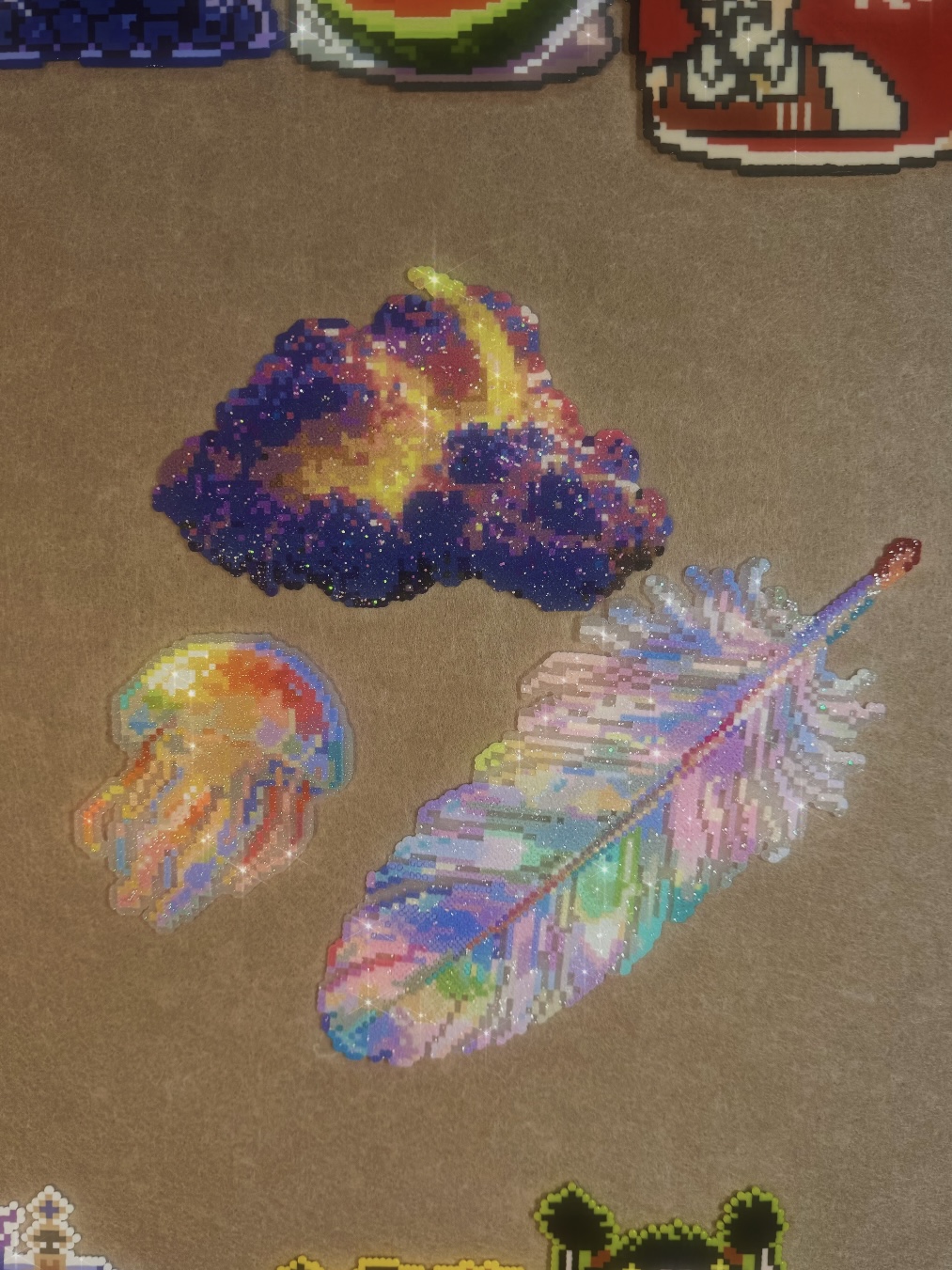
What else do you need: a piece of fine glitter sheet
How to Do It:
- Use a fine-glitter heat transfer sheet, cut to size, and place it glitter-side up over your design.
- Cover with parchment paper and iron on medium heat with light pressure. The fine glitter will melt smoothly into the beads, creating a seamless finish.
- Iron for 15–20 seconds, moving the iron in circular motions to ensure even adhesion.
- Once cooled, the design will have a soft, shimmering finish that catches the light without being overly flashy.
8. Cinderella (Soft Matte + Shimmer) Ironing Method
The ultimate hybrid finish, the Cinderella method combines a soft matte base with a subtle shimmer top layer, creating a dreamy, multi-dimensional look perfect for fairy-tale themed art.
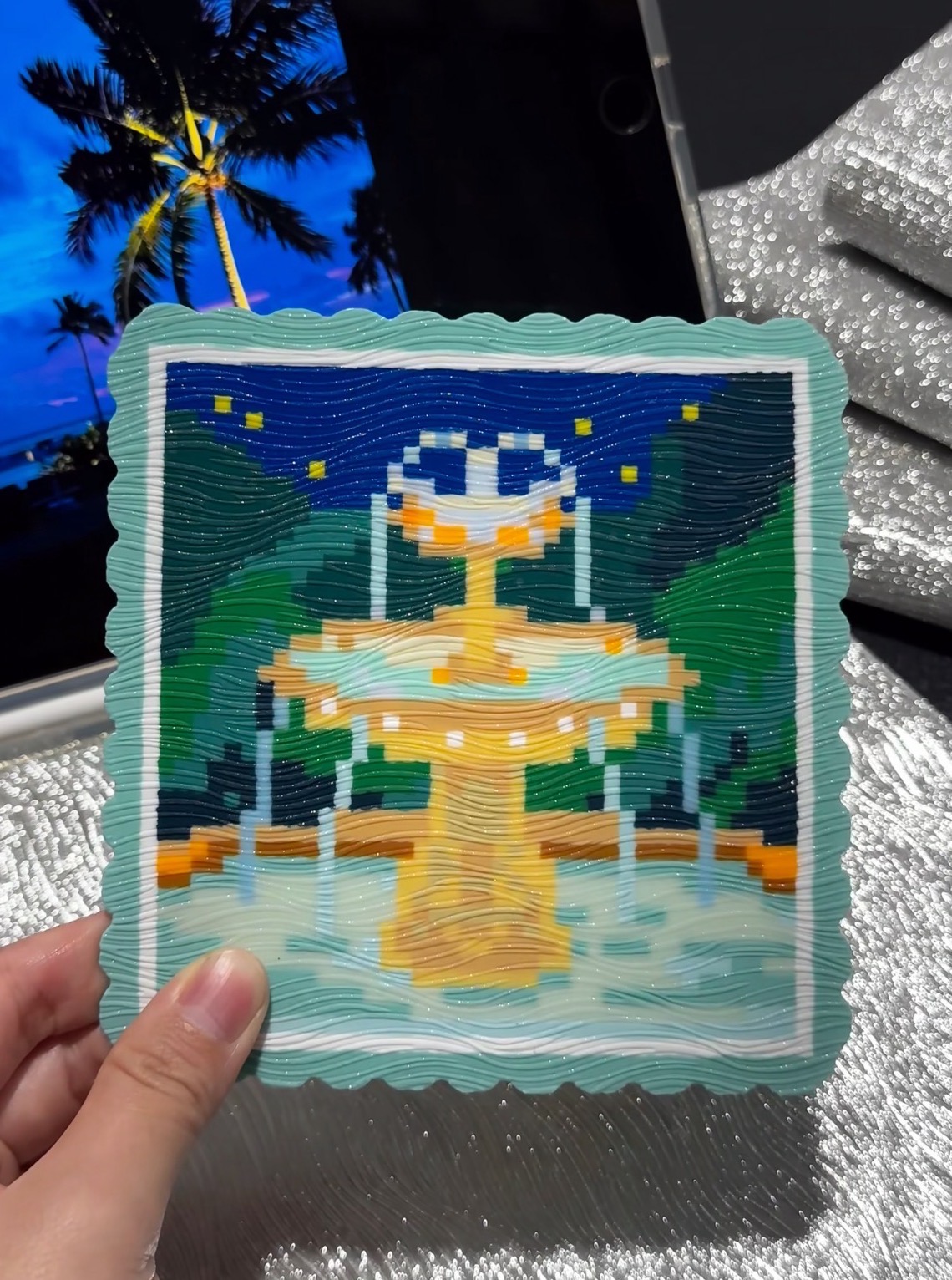
What else do you need: a piece of Cinderella cloth
How to Do It:
- Iron your design using the fine baking cloth method to create a smooth, matte no-hole finish. Let cool completely.
- Place a thin, iridescent shimmer sheet (or fine glitter sheet) over the cooled design. Iron on low-medium heat with light pressure for 10–15 seconds, just enough to melt the shimmer sheet onto the surface.
- Let the project cool under a light book to preserve the soft matte texture while setting the shimmer layer.
Every Perler bead artist has their favorite method, and the best way to find yours is to experiment. Start with the basic no-hole technique, then work your way up to glitter and hybrid finishes as you build confidence.
Whether you're creating functional coasters or display-worthy wall art, these 8 methods give you the tools to achieve a flawless, no-hole finish every time. Grab your iron, pick your technique, and let your creativity shine!