
At first glance, they all look the same: 5mm cylindrical plastic beads that melt when you apply heat. But anyone who's tried to mix brands in a single project knows something feels off. Some beads melt faster. Some are slightly taller. Some leave different textures.
So what's the real difference? And more importantly, can you mix them together without ruining your project?
In this guide, I'll break down the key differences between Perler, Hama, and Artkal—from melting points to color ranges to how they feel under your iron. By the end, you'll know exactly which brand to buy for your next project, and how to combine them safely if you want to.
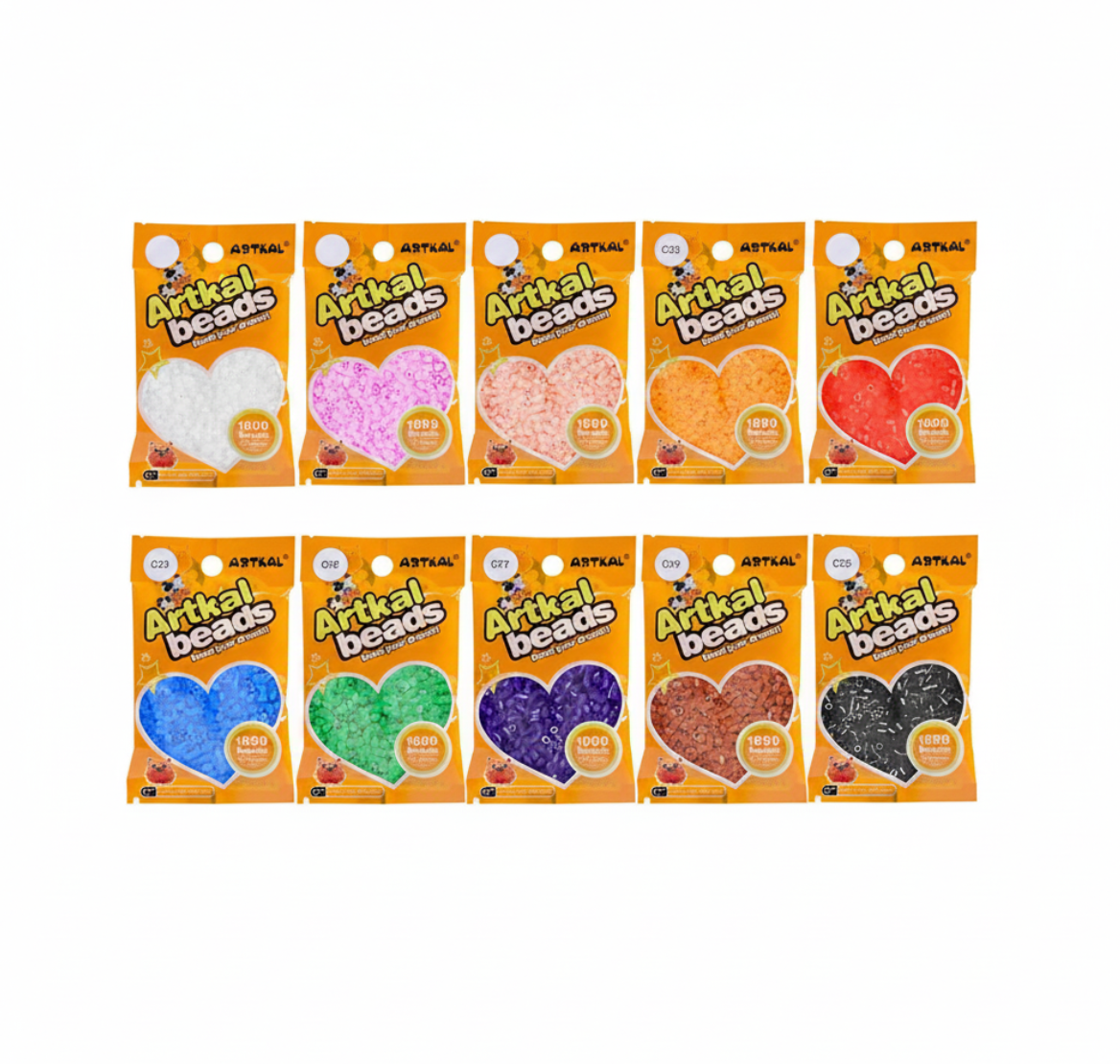
Brand Overview: Where They Come From
Before we get into technical details, here's a quick background on each brand.
| Brand | Country | Years Active | Known For |
|---|---|---|---|
| Perler | USA | 1980s–present | The most common brand in North America; widely available at craft stores like Michaels and Joann |
| Hama | Denmark | 1971–present | The original fuse bead; most popular in Europe; known for slightly softer beads |
| Artkal | China | 2010s–present | Huge color range (over 200 shades); preferred by advanced artists and custom pattern makers |
Each brand has its loyal fans. Perler is the go-to for casual crafters in the US. Hama dominates European classrooms and toy stores. Artkal is the secret weapon of serious pixel artists who need exact color matches.
Melting Point and Ironing Behavior
This is the most important difference. Nothing will ruin your day faster than mixing two beads that melt at completely different temperatures.
Perler beads melt at a medium temperature. They hold their shape well during ironing and produce a smooth, even surface when fully fused. They're forgiving—you have a decent window between "not melted enough" and "completely flattened."
Hama beads melt at a slightly lower temperature than Perler. They also become softer when heated, which can make them more prone to warping if you're not careful. However, this softness can be an advantage for certain 3D projects where you want a little flexibility.
Artkal beads come in two main lines: S-series (soft) and C-series (hard). The S-series melts at a lower temperature similar to Hama. The C-series melts at a higher temperature closer to Perler. This is important to remember if you're buying Artkal—check which series you're getting.
The golden rule: Never mix different brands in the same fused area unless you've tested them together first. Even if they look the same, they may melt at different rates, leaving you with a bumpy, uneven mess.
Color Range and Matching
Here's where Artkal pulls way ahead of everyone else.
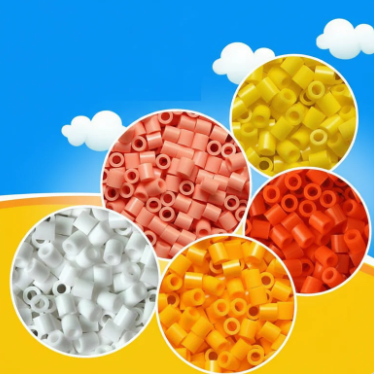
Perler offers about 80-90 colors, depending on seasonal releases. You've got your basics: red, blue, green, yellow, black, white, brown. Plus some specialty lines like glitter, neon, pastel, and glow-in-the-dark. For most projects, this is plenty.
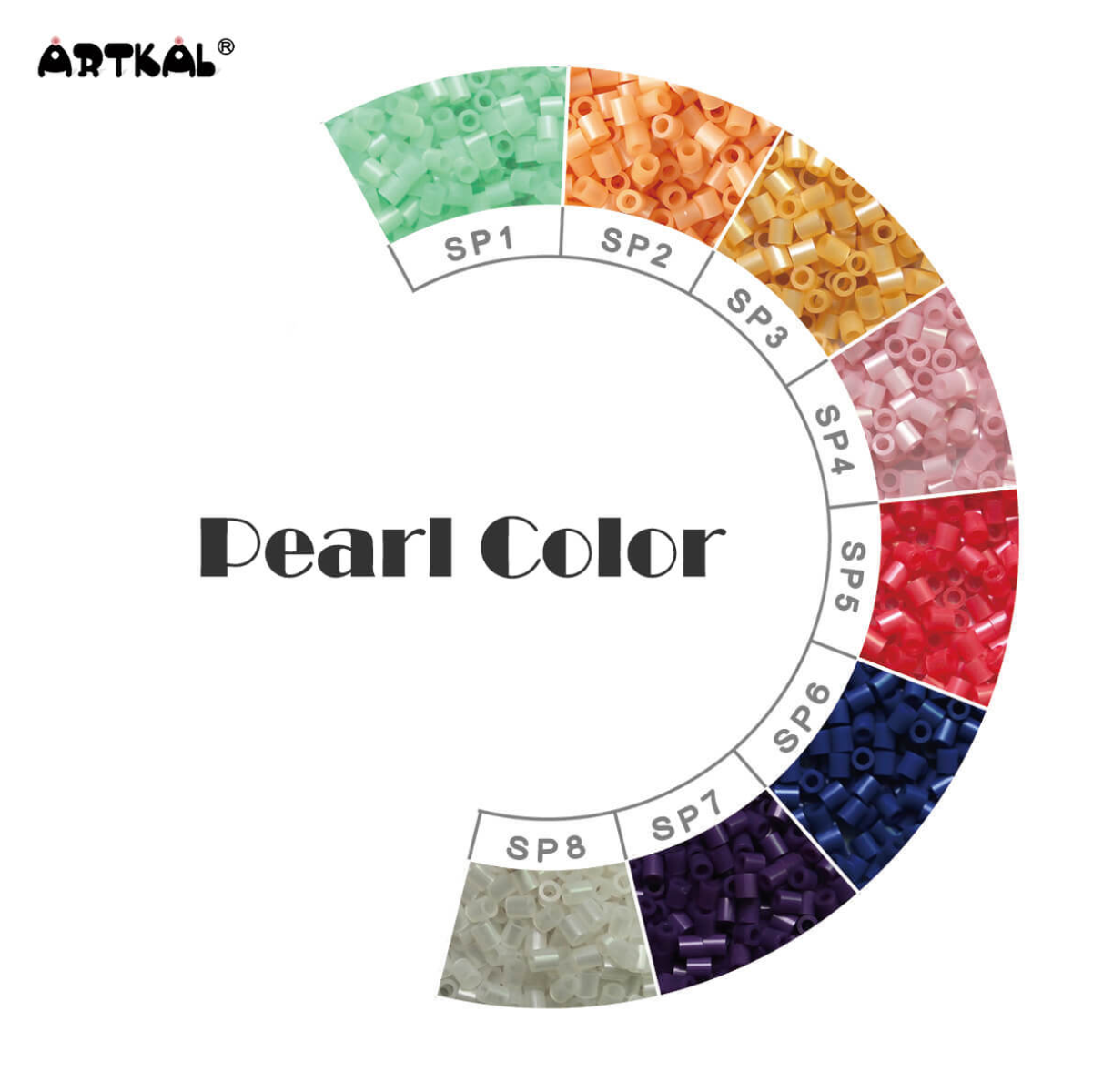
Hama offers around 100-120 colors. They have more pastels and earth tones than Perler. Hama also has some unique transparent and pearl finishes that Perler doesn't make. If you're in Europe, Hama is often easier to find and cheaper than imported Perler.
Artkal offers over 200 colors. And not just slight variations—Artkal has colors that fill gaps in both Perler and Hama's lineups. Need a specific shade of teal that Perler doesn't make? Artkal probably has it. Want to match a custom pixel art palette exactly? Artkal is your best bet.
| Brand | Approx. Colors | Best For |
|---|---|---|
| Perler | 80-90 | Basic projects, US-based crafters |
| Hama | 100-120 | Pastels and earth tones, European crafters |
| Artkal | 200+ | Custom designs, exact color matching, advanced artists |
Bead Height and Shape Consistency
This is a subtle difference that becomes very obvious when you try to put two brands side by side on the same pegboard.
Perler beads are the most consistent in height. They're uniform from bead to bead and batch to batch. This means when you iron them, all beads make contact with the ironing paper at the same time.
Hama beads can vary slightly in height. Some beads are a fraction of a millimeter taller than others. This isn't noticeable in a single-brand project, but when mixed with Perler, the taller beads can stick up and melt faster while shorter beads barely melt at all.
Artkal beads are extremely consistent, especially the C-series. Many users report that Artkal beads are actually more uniform than Perler. S-series beads are slightly softer and can compress more under the iron, but the starting height is very consistent.
What this means for you: If you're making a single-color panel or a simple design, brand consistency probably won't matter. But if you're making a large, detailed piece with precise color transitions, stick to one brand per fused area.
Texture After Ironing
Even after melting, the three brands leave slightly different textures.
Perler beads produce a smooth, almost glossy finish when fully fused. The edges round nicely, and the final piece feels solid and slightly flexible.
Hama beads tend to dry with a slightly rougher, more matte texture. Some crafters prefer this because it looks less "plastic-y." Others find it less appealing. It's purely a matter of taste.
Artkal results depend on the series. S-series (soft) leaves a finish similar to Hama. C-series (hard) leaves a finish very similar to Perler—smooth and glossy. Many advanced artists say that fully fused Artkal C-series beads are indistinguishable from Perler in both feel and appearance.
Pro tip: If you're making a project that will be handled a lot (like a keychain or a toy), Perler or Artkal C-series will hold up better over time. Hama's softer finish can show wear more quickly.
Can You Mix Brands? (And How to Do It Safely)
The short answer is: yes, but with caution.
Here are three safe ways to mix Perler, Hama, and Artkal in a single project.

Method 1: Keep them in separate fused areas
This is the safest approach. Use one brand for the main body of your design and another brand for details that will be attached later (like a 3D assembly). As long as you iron each part separately before joining them, the melting point difference won't matter.
Method 2: Test first
If you really want to mix two brands in the same fused panel, make a small test piece first. Use 10 beads of Brand A and 10 beads of Brand B, place them on a pegboard, and iron as you normally would. If they melt evenly, you're good to go. If one brand melts faster or leaves a different texture, don't mix them.
Method 3: Use the tape method
The tape method (where you transfer your design off the pegboard before ironing) gives you more control. You can iron from one side only, which reduces the risk of uneven melting. Many crafters report successful Perler+Hama mixes using the tape method.
What NOT to do:
- Don't mix random beads without testing
- Don't assume all Artkal is the same (remember S-series vs. C-series)
- Don't mix brands in high-detail areas where texture differences will be obvious
Which Brand Should You Buy?
Here's my honest advice based on where you live and what you make.
Choose Perler if:
- You live in North America
- You're a beginner or casual crafter
- You want beads you can buy at a local craft store
- You don't need a huge color range
Choose Hama if:
- You live in Europe
- You prefer a slightly softer, more matte finish
- You want pastels and earth tones
- Hama is cheaper and easier to find where you live
Choose Artkal if:
- You need a very specific color that other brands don't make
- You're making custom patterns from digital pixel art
- You're an advanced artist who wants the best color matching
- You're willing to order online (Artkal is rarely in physical stores)
The honest truth: All three brands make good beads. For 80% of projects, you can use whatever is easiest to find. The differences only really matter when you're doing large, detailed, or color-critical work.
Final Verdict
The Perler vs. Hama vs. Artkal debate doesn't have a single winner—because the "best" brand depends entirely on your project, your location, and your personal preferences.
Perler is the reliable all-rounder for North American crafters. Hama is the European classic with a softer touch. Artkal is the color specialist for serious artists who need every shade imaginable.
And yes, you can mix them. Just test first, separate your fused areas, or use the tape method. A little caution goes a long way.
Now go make something awesome with the beads you have—whatever brand they are.