
Ironing is the hardest skill to master in Perler bead crafting. But here's the good news: every common problem has a simple fix. In this troubleshooting guide, we'll identify the most frequent ironing issues, explain exactly why they happen, and give you step-by-step solutions to fix them.
By the end, you'll know how to rescue damaged projects and prevent problems from happening again.
Quick Diagnosis: Identify Your Ironing Problem
Before fixing anything, you need to know what went wrong. Use this quick reference guide:
- Project bent or curled → Warping (cooling issue)
- Holes still clearly visible → Under-ironing (not enough heat/time)
- Some beads melted, some not → Uneven pressure or iron movement
- Beads look flattened or spreading → Over-ironing (too much heat/time)
- Beads falling apart → Not fused enough
- Bubbles or scorch marks → Iron too hot or left in one spot
- Ironing paper stuck to beads → Heat too high or wrong paper type
Problem #1: Warping (Bent or Curled Projects)
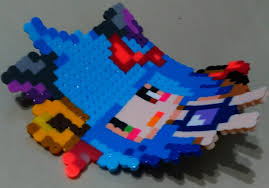
Warping is the most common complaint among Perler bead artists. Your project looks great except the edges curl up or the whole piece bends.
Why it happens: Plastic contracts as it cools. Without weight pressing it flat, the cooling process pulls the edges upward. Uneven cooling or ironing one side only makes this worse.
How to fix it:
- Reheat the entire piece lightly. Place the project back on the pegboard, cover with ironing paper, and iron quickly with medium heat (10-15 seconds). This softens the plastic again.
- Flip and iron the other side. If you only ironed one side before, now iron the reverse side with the same heat.
- Place under a heavy flat object immediately. Use a thick hardcover book, a glass cutting board, or a flat weight. Make sure the object is completely flat and covers the whole project.
- Leave the weight on for 10-15 minutes. Don't peek. The piece must cool completely before you remove the weight.
- Check flatness. If still warped, repeat the process.
How to prevent warping in the future:
- Always cool projects under a heavy book for at least 10 minutes.
- Iron both sides for better stability.
- Never use steam in your iron.
- Avoid extremely high heat settings.
- For large projects, iron in sections and cool under weight after each section.
Problem #2: Visible Holes (Under-Ironing)
Your beads are stuck together, but you can still see individual bead holes. The surface looks bumpy instead of smooth.
Why it happens: You didn't iron long enough or your iron wasn't hot enough. The beads fused at the contact points but the tops didn't melt fully.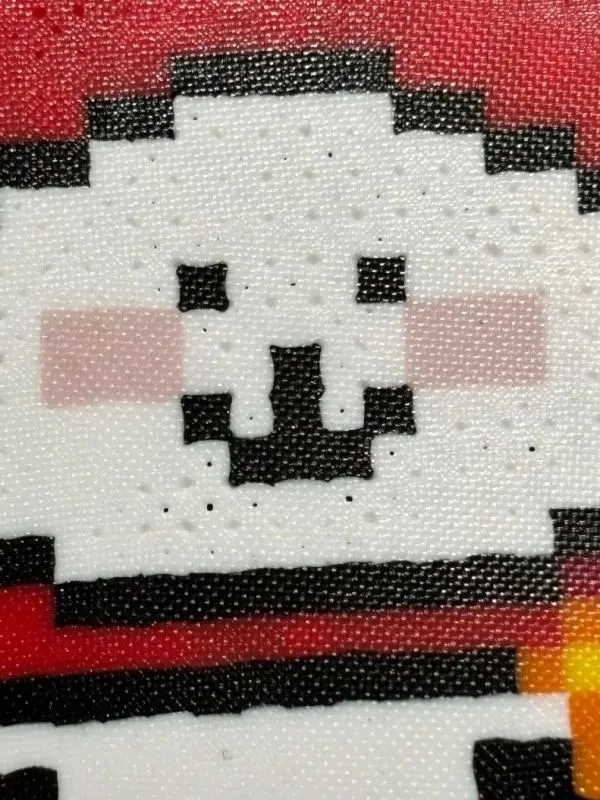
How to fix it:
- Cover the project with fresh ironing paper.
- Set your iron to medium-high heat. Not maximum, but higher than before.
- Iron in slow, circular motions. Keep the iron moving constantly.
- Check every 10 seconds. Lift the paper gently to see progress.
- Stop when holes are just closed. If you see the surface becoming completely flat, remove the iron immediately.
- Cool under a heavy book.
How to prevent under-ironing:
- Preheat your iron fully before starting (3-5 minutes).
- Test on a few spare beads first to learn how your iron behaves.
- For large projects, iron 30-45 seconds per side instead of 15-20 seconds.
- Remember: different colors may melt at slightly different speeds. Light colors often need more time than dark colors.
Problem #3: Uneven Melting (Some Beads Flat, Others Not)
After ironing, half your project looks perfectly melted. The other half still has visible holes and loose beads.
Why it happens: You applied uneven pressure, moved the iron inconsistently, or your iron's heat distribution isn't even. Corners and edges are especially vulnerable.
How to fix it:
- Focus on the under-melted areas first. Cover with paper and iron just those sections with small circles.
- Apply slightly more pressure on low spots. Use the weight of the iron plus gentle downward force.
- If the whole piece is uneven, flip it and iron the reverse side. This often solves the problem by melting the other side to match.
- Cool under a heavy book regardless.
How to prevent uneven melting:
- Always iron in circular motions that cover the entire project area.
- Apply consistent, medium pressure—not too light, not too heavy.
- Make sure your iron is fully preheated before you start.
- For large projects, use a larger iron or work in overlapping sections.
- Consider using the tape method for complex or large designs (transfer the design off the pegboard before ironing).
Problem #4: Over-Ironing (Flattened or Spreading Beads)
Your beads look like pancakes. The holes have disappeared completely, and colors may look darker or muddy. In extreme cases, beads have spread into each other and the design is unrecognizable.
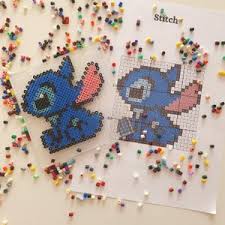
Why it happens: Too much heat, too much time, or both. The plastic became too fluid and lost its shape.
How to fix it (partial salvage):
Unfortunately, over-ironing is usually permanent. The plastic has been overheated and can't return to its original shape. However, you can try these steps:
- Let the piece cool completely. Don't touch it while hot.
- Accept the new shape. Sometimes over-melted pieces look like "stained glass" and are still usable as coasters or decorative art.
- For future projects, use lower heat and shorter time.
How to prevent over-ironing:
- Use medium or medium-low heat. You don't need maximum temperature.
- Iron in short bursts (10-15 seconds), check, then continue if needed.
- Stop ironing as soon as holes close. You don't need to iron longer.
- If you see beads starting to spread or flatten, remove the iron immediately.
- Test on spare beads first to find your iron's ideal setting.
Problem #5: Beads Won't Stick Together At All
After ironing, you lift the paper and beads fall off the pegboard. Nothing fused.
Why it happens: Your iron wasn't hot enough, you didn't iron long enough, or your ironing paper was too thick (like heavy-duty silicone paper).
How to fix it:
- Increase your iron's temperature. Move up one heat level.
- Iron for longer. Try 30-45 seconds with slow circular motions.
- Check the paper. Standard parchment paper works best. Avoid thick silicone baking mats or heavy wax paper.
- If still not sticking, try a different iron. Some irons simply don't get hot enough.
Problem #6: Ironing Paper Stuck to Beads
After ironing, the paper won't peel off. It's fused to your project.
Why it happens: Your iron was too hot, you left it in one spot too long, or you used the wrong type of paper (wax paper is a common mistake).
How to fix it:
- Don't pull hard. Forcing it will tear the paper and leave residue.
- Reheat lightly. Place the iron back on the stuck area for 5 seconds. Sometimes the paper releases when warm.
- Gently peel from a corner. Go slowly.
- If paper bits remain, use tweezers to remove them carefully. Or re-iron with fresh paper on top—the residue may stick to the new paper.
How to prevent paper sticking:
- Always use parchment paper or official Perler ironing paper. Never use wax paper.
- Keep your iron at medium heat, not maximum.
- Don't leave the iron in one spot for more than 5 seconds.
- Replace paper when it becomes wrinkled or discolored.
Special Case: Fixing a Warped or Damaged Finished Project
What if you discover a project that warped weeks ago? Can you fix old, cold Perler bead art?
Yes, you can often fix it. Here's how:
- Place the warped piece on a flat, heat-safe surface.
- Cover with parchment paper.
- Iron on medium heat for 15-20 seconds. The heat will soften the plastic again.
- Immediately place a heavy flat weight (like a book) on top.
- Leave for 15 minutes until completely cool.
- Check flatness. Repeat if needed.
This technique works for most warped pieces unless they were severely over-ironed or cracked.
Pro Tips for Perfect Ironing Every Time
Now that you know how to fix problems, here's how to avoid them entirely.
- Test your iron on spare beads first. Before ironing a project you care about, melt 5-10 test beads to learn the right heat and time.
- Use the same brand throughout a project. Different brands (Perler, Hama, Artkal) melt at different temperatures.
- Iron in a well-ventilated area. Melted plastic can release fumes.
- Keep your iron moving. Never stop in one spot for more than a few seconds.
- Iron both sides for strength. One-sided ironing is faster but weaker and more prone to warping.
- Have patience. Rushing the ironing step ruins more projects than anything else.
Final Thoughts
Every Perler bead artist ruins projects sometimes. Even experienced crafters make mistakes. The difference is knowing how to fix problems when they happen and how to prevent them next time.
Keep this guide handy. When an ironing issue comes up, diagnose the problem, apply the fix, and learn from what went wrong. With practice, you'll develop intuition for heat, time, and pressure. Perfect ironing becomes second nature.
Don't let a few failed projects discourage you. Every mistake teaches you something. Now go rescue that warped project—or start a new one with confidence.
Happy ironing!