
Quick Comparison Chart: Which Pen Is Right for You?
| Pen Type | Speed | Precision | Learning Curve | Best For |
|---|---|---|---|---|
| Automatic | ★★★★★ | ★★☆☆☆ | Low-Medium | Large color blocks, backgrounds |
| Double-Pin | ★★★★☆ | ★★★☆☆ | High | Straight lines, grids, borders |
| Single-Pin (Premium) | ★★★☆☆ | ★★★★★ | Low | Detailed designs, tight corners |
| Budget Single-Pin | ★★☆☆☆ | ★★★☆☆ | Low | Beginners, casual projects |
1. Automatic Perler Bead Pens: The Fastest Option for Bulk Work
These are the most popular "set-it-and-forget-it" tools for Perler artists, perfect for large-scale projects where speed is key. They work by loading beads into a chamber, shaking them into a feed channel, and pressing a button to dispense one bead at a time onto the pegboard.
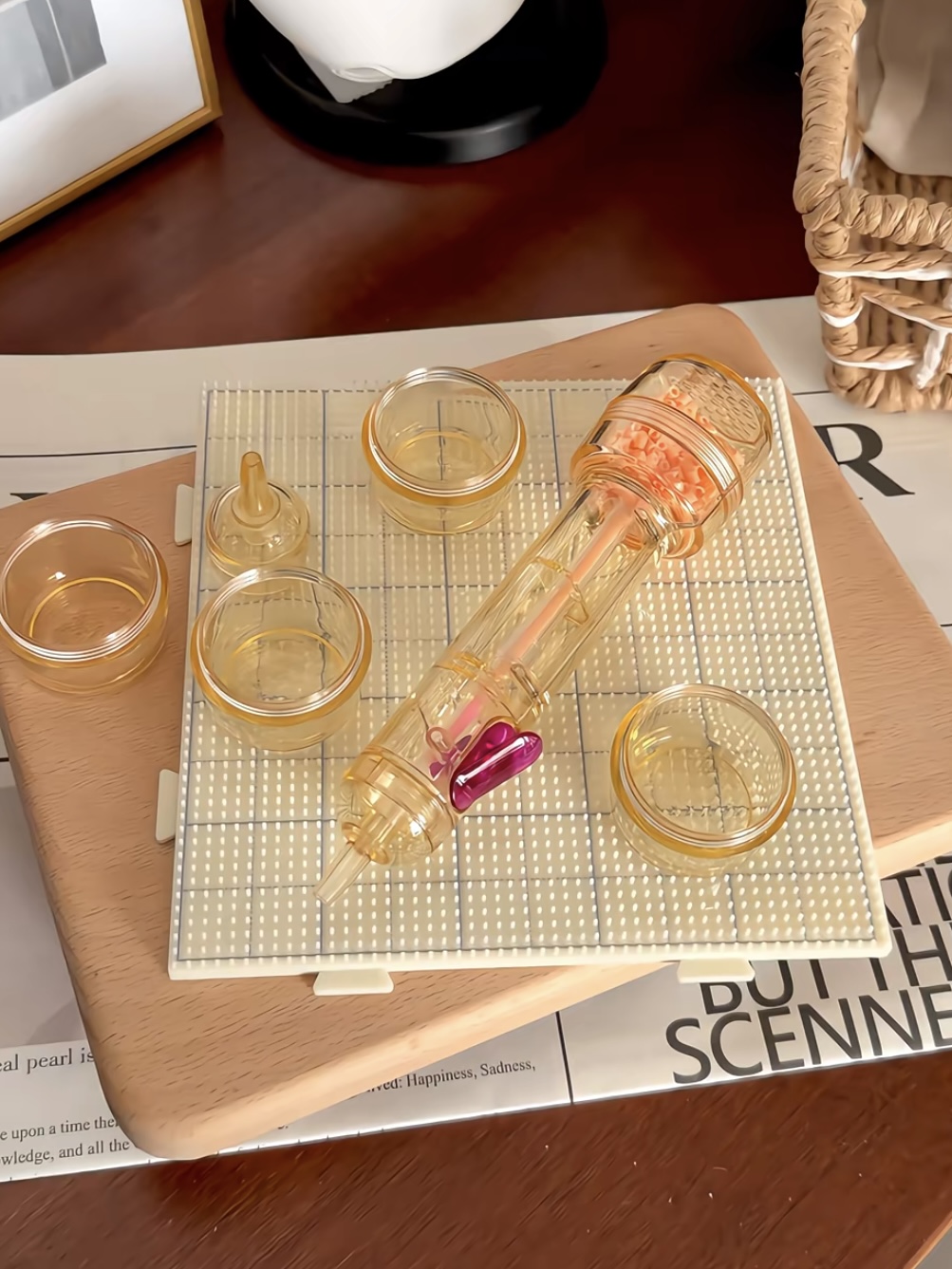
✅ Pros
- Ultra-fast for large color blocks: Fill the chamber with one color, and place hundreds of beads in minutes—way faster than tweezers.
- Beginner-friendly (for most models): Many pens have simple button controls and clear bodies to see bead levels.
- Ergonomic grip: Designed to reduce hand cramping during long crafting sessions.
❌ Cons
- Inconsistent bead flow: Some models require frequent shaking to keep beads feeding into the channel.
- Limited precision: They work great for filling in large areas but struggle with tight corners or detailed outlines.
- Variable quality: Cheaper knockoff pens may jam easily or require extra force to press the button.
2. Double-Pin Perler Bead Pens: Precision Tools for Advanced Crafters
Double-pin pens use two parallel metal prongs to pick up two beads at once, letting you place them side-by-side in a single motion. These tools are all about speed and accuracy—but they come with a learning curve.
✅ Pros
- Double the speed: Place two beads at once, cutting down on repetitive movements.
- Ideal for straight lines: Perfect for borders, grids, or repeating patterns where even spacing is key.
- No jamming issues: Unlike automatic pens, these use simple mechanical prongs with no moving parts to clog.
❌ Cons
- Steep learning curve: It takes practice to load beads onto both prongs evenly without dropping them.
- Tricky for tight spaces: The two-prong design makes it hard to navigate around existing beads or small details.
- Easy to "skip" beads: If your alignment is off, you might accidentally place beads in the wrong holes.
3. Single-Pin Perler Bead Pens: The Workhorse for Every Project
Single-pin pens are the most versatile option, combining precision with ease of use. They use a single metal prong to pick up one bead at a time, giving you full control over placement.
✅ Pros
- Perfect precision: Place beads exactly where you want them, even in tiny corners or around complex details.
- Comfortable grip: Many models have curved, ergonomic handles that fit naturally in your hand.
- No learning curve: If you can use tweezers, you can use a single-pin pen—just load the bead onto the prong and place it on the pegboard.
- Budget-friendly: Often sold as free gifts or low-cost accessories with pegboard sets.
❌ Cons
- Slower than automatic or double-pin pens: Still faster than tweezers, but not as efficient for large color blocks.
- Prong wear: The metal tip can bend or wear out with heavy use, though replacement prongs are easy to find.
4. Budget & Bonus Tools: What to Know About "Free Gift" Pens
Many craft stores and online sellers include basic single-pin pens as free gifts with pegboard or bead purchases. While these are great for getting started, they come with a few caveats:
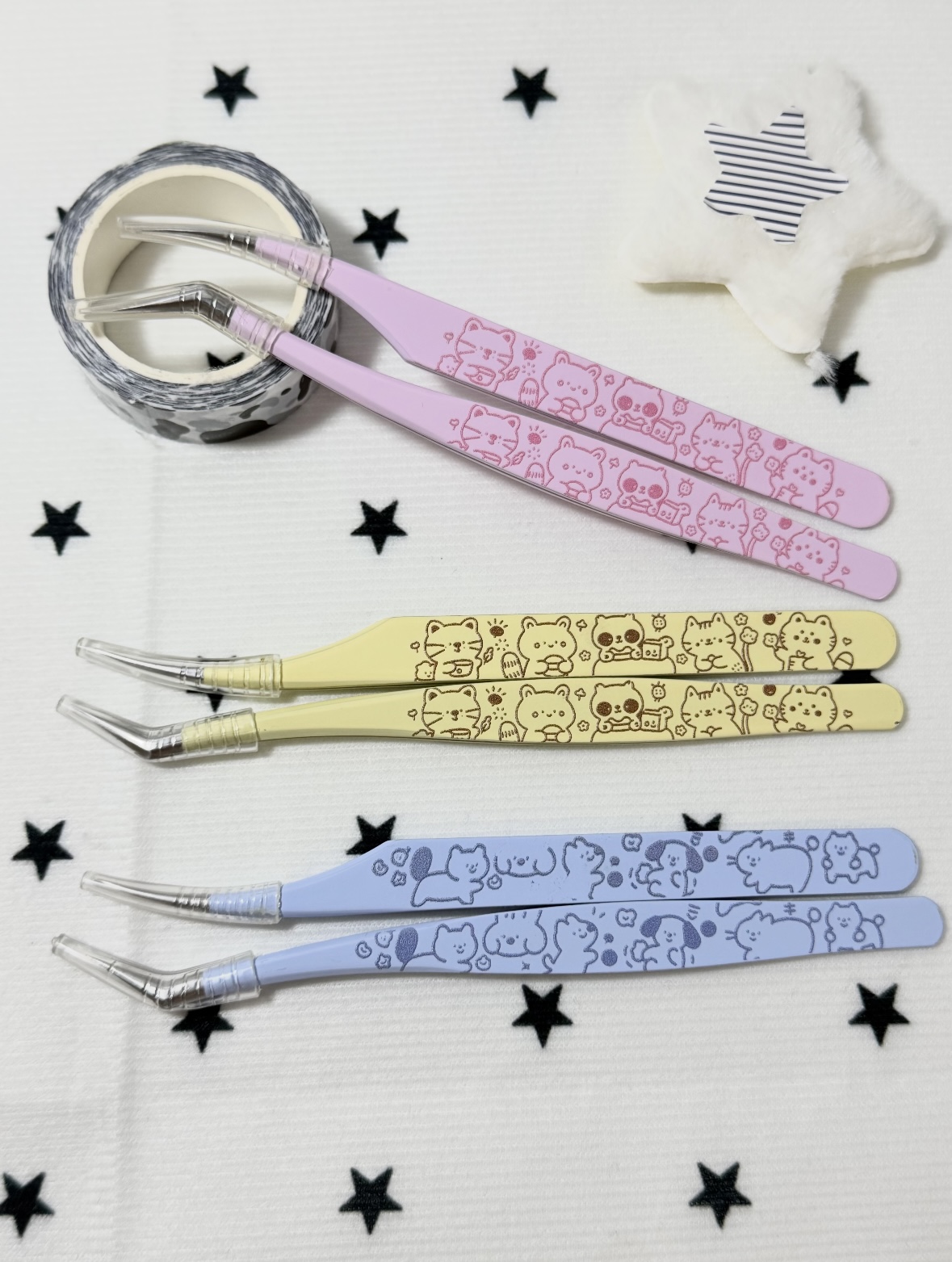
- Simplified design: Most have a basic clip or spoon handle that works for simple projects but may lack the ergonomic grip of premium pens.
- Durability concerns: Thin metal prongs can bend easily if dropped or forced into tight spaces.
- Great for beginners: If you're just testing the waters with Perler art, these are perfect for learning without investing in a fancy tool.