
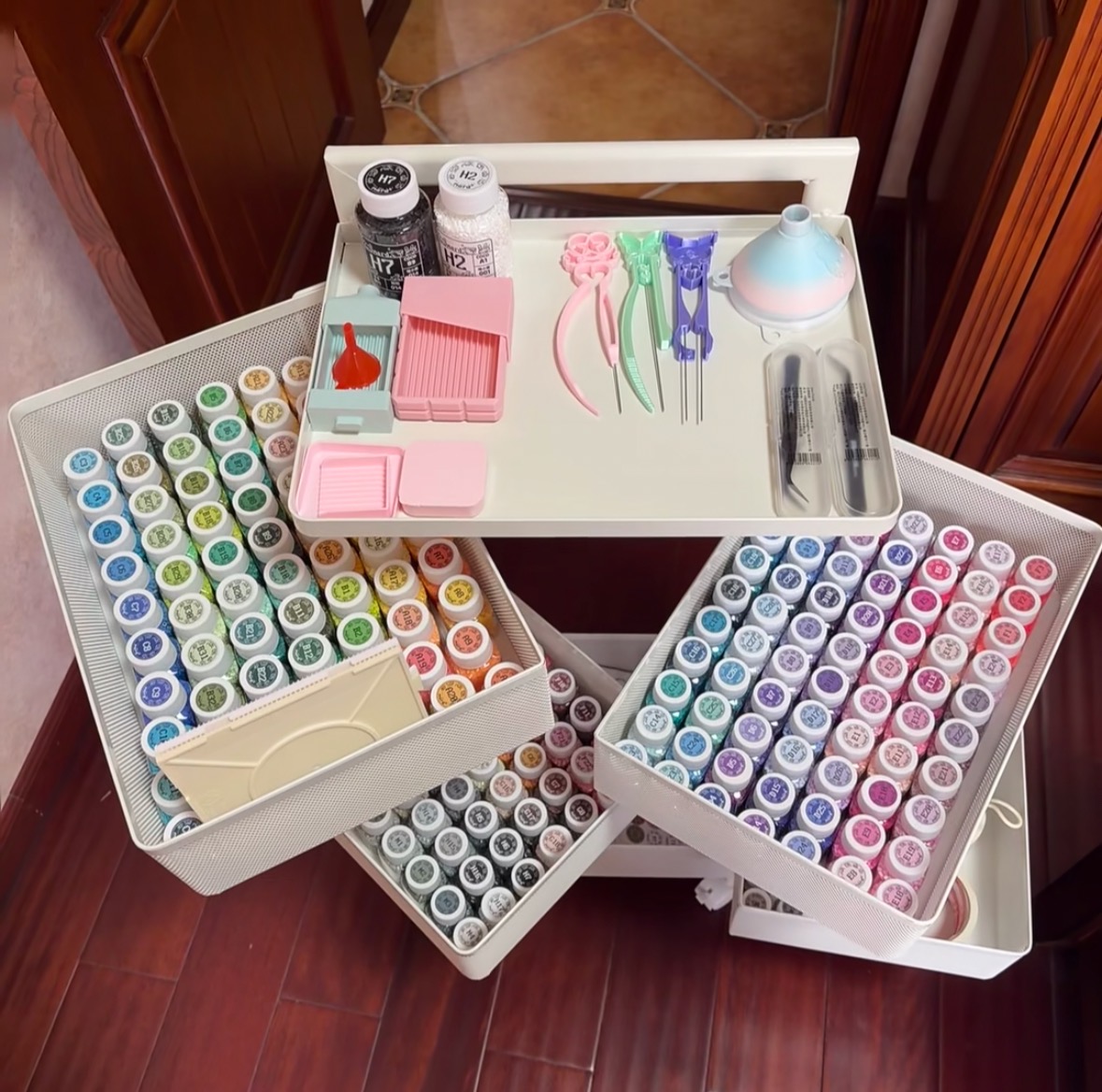
Before we dive into what to buy, let's talk about what to avoid. The biggest mistake beginners make is buying the “all-in-one” kits loaded with:
- Tiny, flimsy plastic pegboards that warp after one use
- A random assortment of beads in every color imaginable (including duplicates and unusable pastels)
- A low-heat toy iron that won’t melt beads evenly (or at all)
- “Bonus” tools like plastic tweezers that break after a few uses, or cheap keychain parts that fall apart
These kits are designed to look impressive, but they skip the high-quality basics that make Perler beading fun. A great starter kit should prioritize durability, usability, and versatility over quantity.
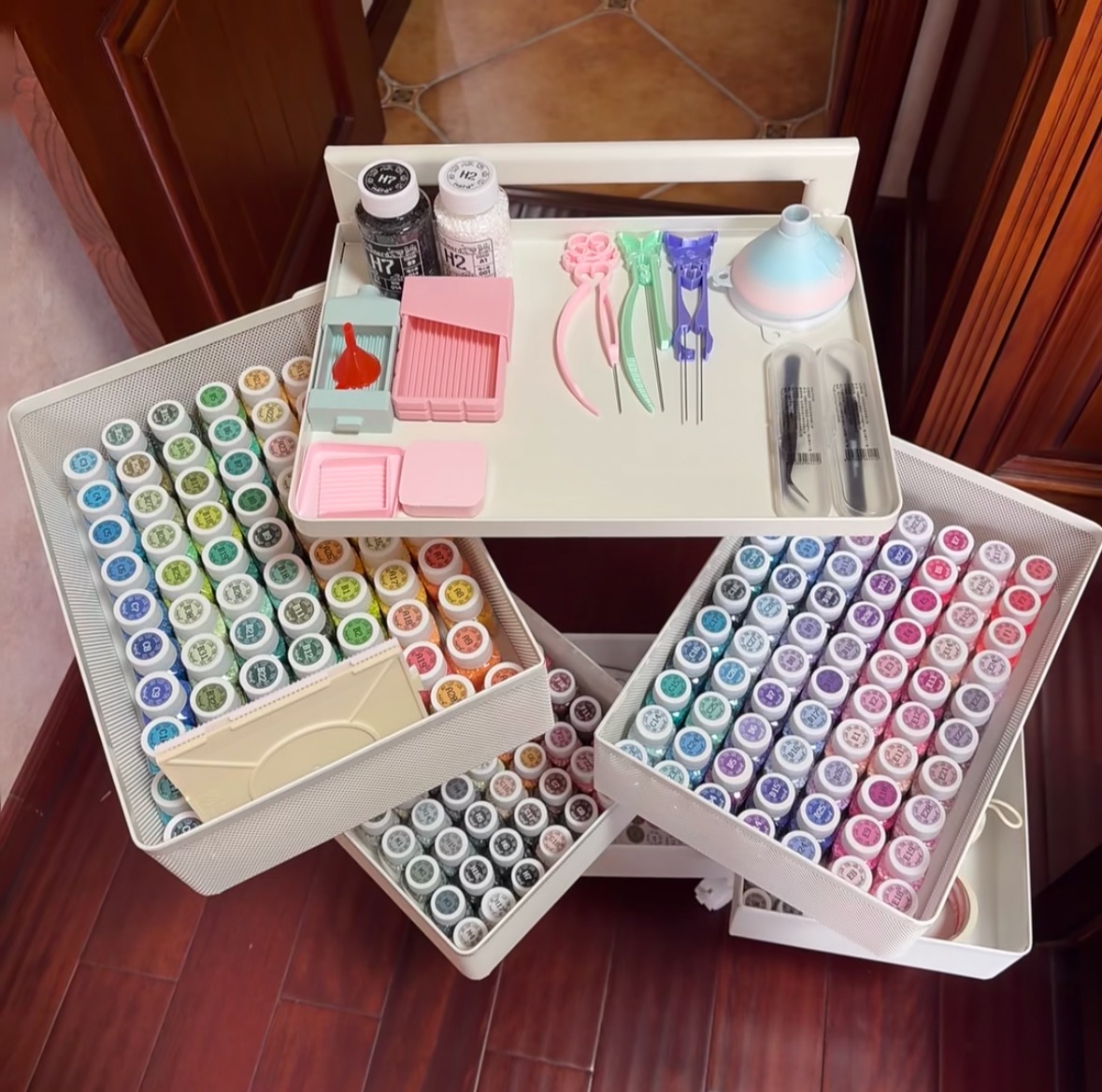
The 5 Non-Negotiable Essentials Every Beginner Kit Must Have
Let’s break down the core components of a useful starter kit. If your kit doesn’t have these, it’s not worth your money.
1. Standard-Size Perler Beads (and a Smart Color Selection)
The star of the show, obviously—but not all bead sets are created equal.
- Stick to standard 5mm beads first: Mini (2.6mm) beads require way more precision and patience, which can be frustrating for new crafters. Save those for later.
- Skip the “every color under the sun” sets: Most beginners only use 10-15 core colors for their first few projects. Instead, look for a kit with:
- Neutrals: Black, white, gray, and brown (essential for outlines, backgrounds, and details)
- Primary & secondary colors: Red, blue, yellow, green, purple, orange (the building blocks for most designs)
- A few fun accents: A metallic silver or gold, and one neon color (for that pop of personality)
Pro tip: Avoid cheap off-brand beads that don’t melt evenly or fade quickly. Stick to reputable brands that use high-quality plastic.
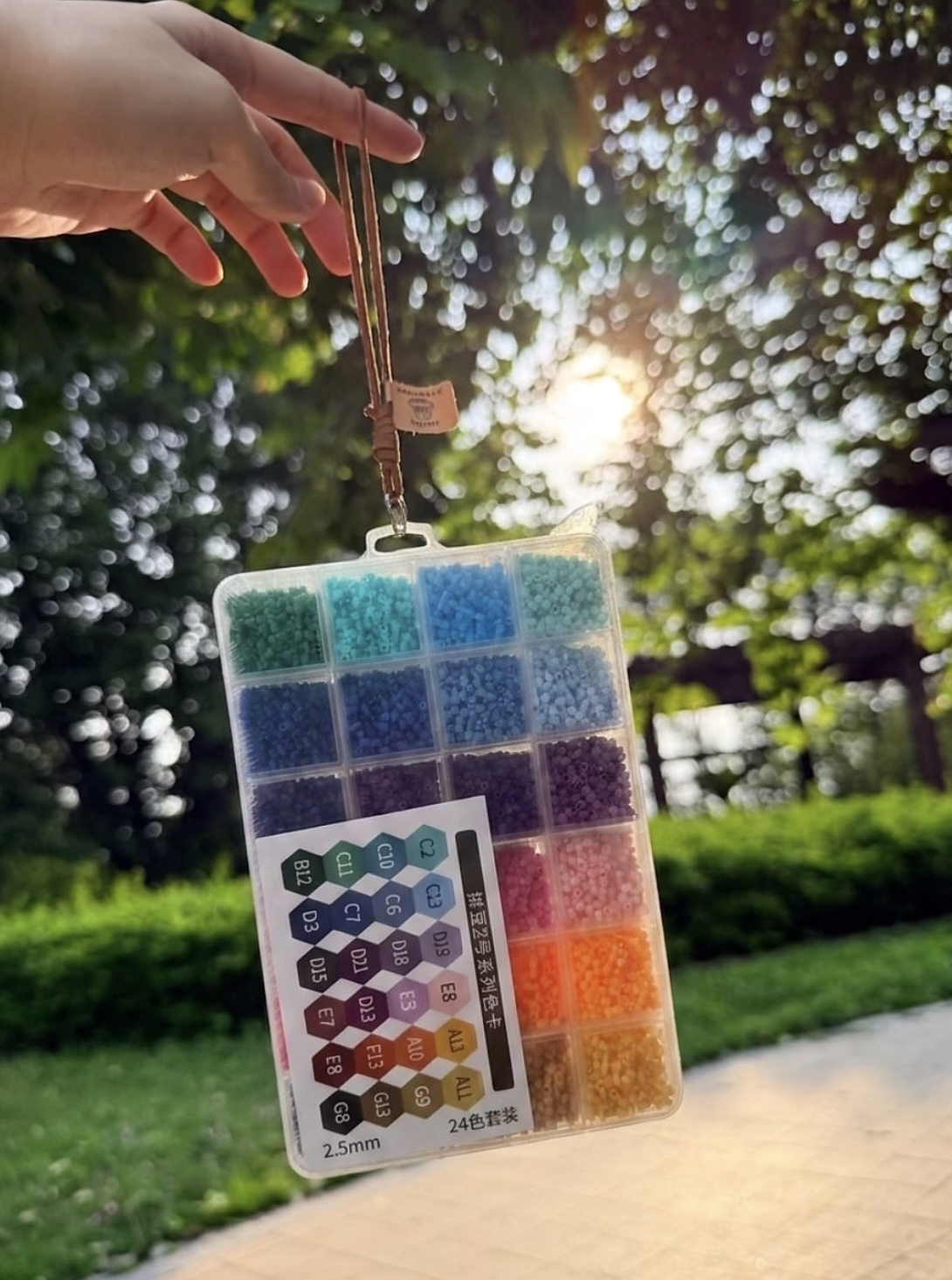
2. At Least One Large, Sturdy Pegboard (Plus a Smaller One)
Pegboards are the foundation of your project, and they need to be durable.
- Essential sizes: A large square (11x11 inch) or rectangle pegboard for big projects (like wall art or coasters) and a small 5x5 inch one for keychains or magnets.
- What to avoid: Thin, flexible plastic boards that bend when you place beads or melt. These warp easily and can ruin your design.
- Material matters: Look for rigid plastic pegboards with evenly spaced pegs. Clear pegboards are great for tracing patterns, but opaque ones work just fine.
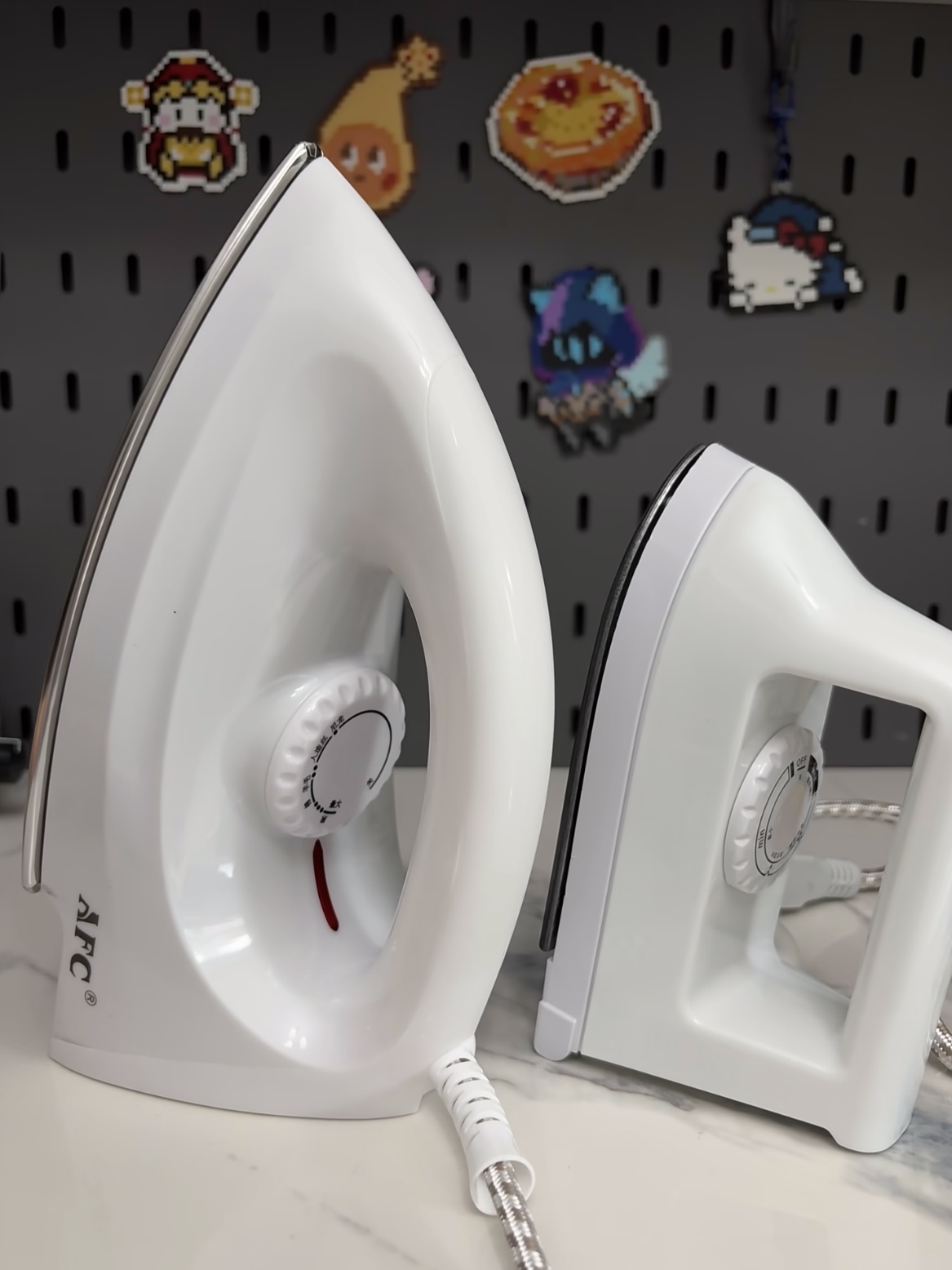
3. A Real Iron (Not a Toy One)
This is the most common beginner mistake: using the tiny, low-heat iron included in cheap kits.
What you need: A standard household clothes iron (or a small craft iron with adjustable heat settings) that can reach medium-high heat. No special “Perler bead iron” required.
Pro tip: If you’re buying a kit for kids, skip the included toy iron entirely and plan to supervise the melting process with a regular iron. It’s safer and will yield way better results.
4. Ironing Paper (aka Parchment Paper)
You can’t melt Perler beads without it. The paper protects your iron from melted plastic and prevents the beads from sticking to the iron.
What to look for: The kit should include at least 2-3 sheets of reusable ironing paper. You can also use plain parchment paper from the kitchen, but the specialized Perler bead paper is designed to handle repeated use.
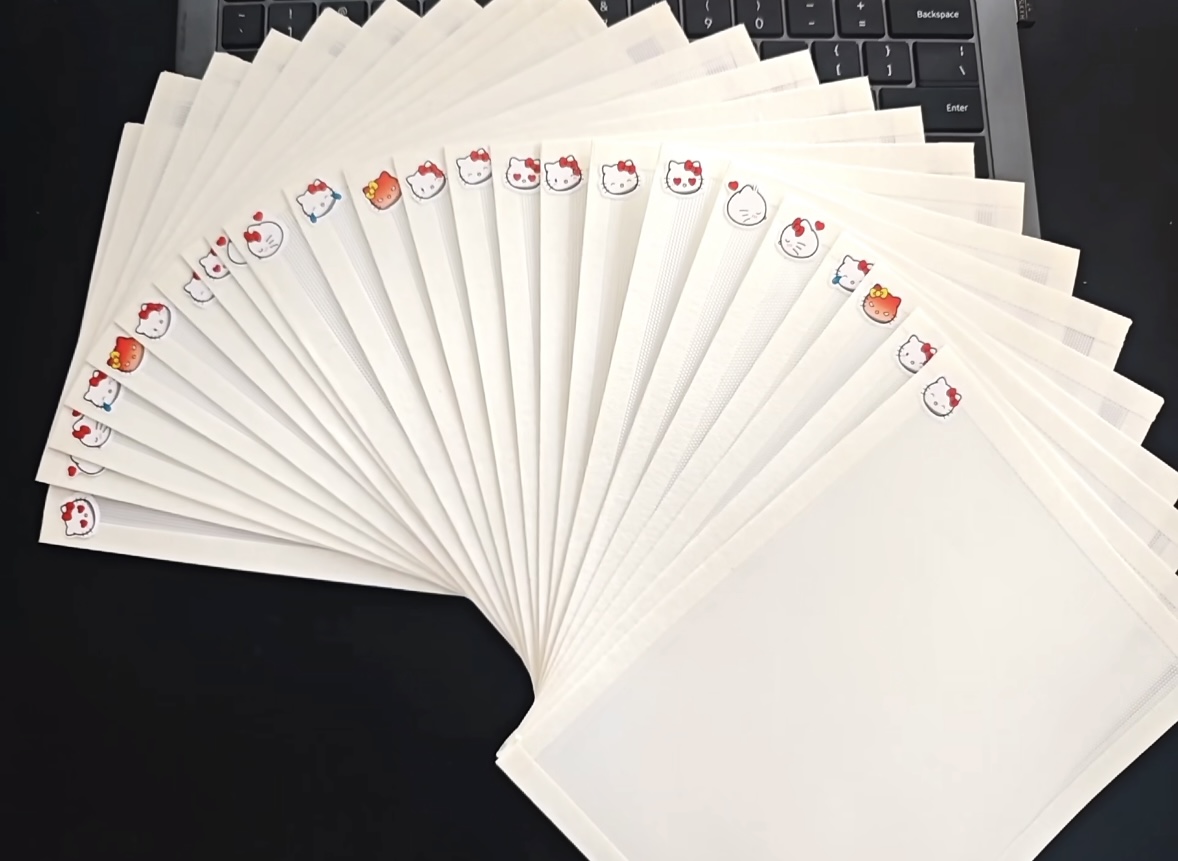
5. Basic Finishing Tools (The Only Extras You’ll Actually Use)
You don’t need a fancy toolkit to start, but these three small tools will make your life infinitely easier:
- Tweezers: A pair of fine-tip tweezers for placing small beads and correcting mistakes. Plastic tweezers break easily, so look for metal ones if possible.
- Keychain hardware: If you want to turn your projects into keychains, a pack of lobster clasps and jump rings is a must.
- A small rolling pin or heavy book: For flattening your melted beads as they cool (prevents warping!). Most kits don’t include this, but it’s easy to grab from home.
Nice-to-Haves (Only If You Plan to Stick With the Hobby)
If you know you love Perler beading and want to upgrade your kit, these extras are worth the investment:
- A bead pen: Speeds up the bead-placing process drastically (perfect for larger projects).
- Storage containers: Small, compartmentalized boxes to sort your beads by color (prevents the dreaded “bead jumble”).
- Extra pegboards in different shapes: Circles, hearts, and hexagons for coasters or ornaments.
- A heat-resistant mat: To protect your table from the hot iron.
