
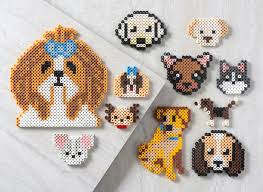
Perler bead colors are one of the most fun and important parts of fuse bead crafting. With hundreds of shades, finishes, and special effects available, you can create bright, subtle, bold, or realistic pixel art that matches any style, project, or theme. But with so many options, knowing which colors to buy, how to mix them, and which shades work best for your designs can feel overwhelming.
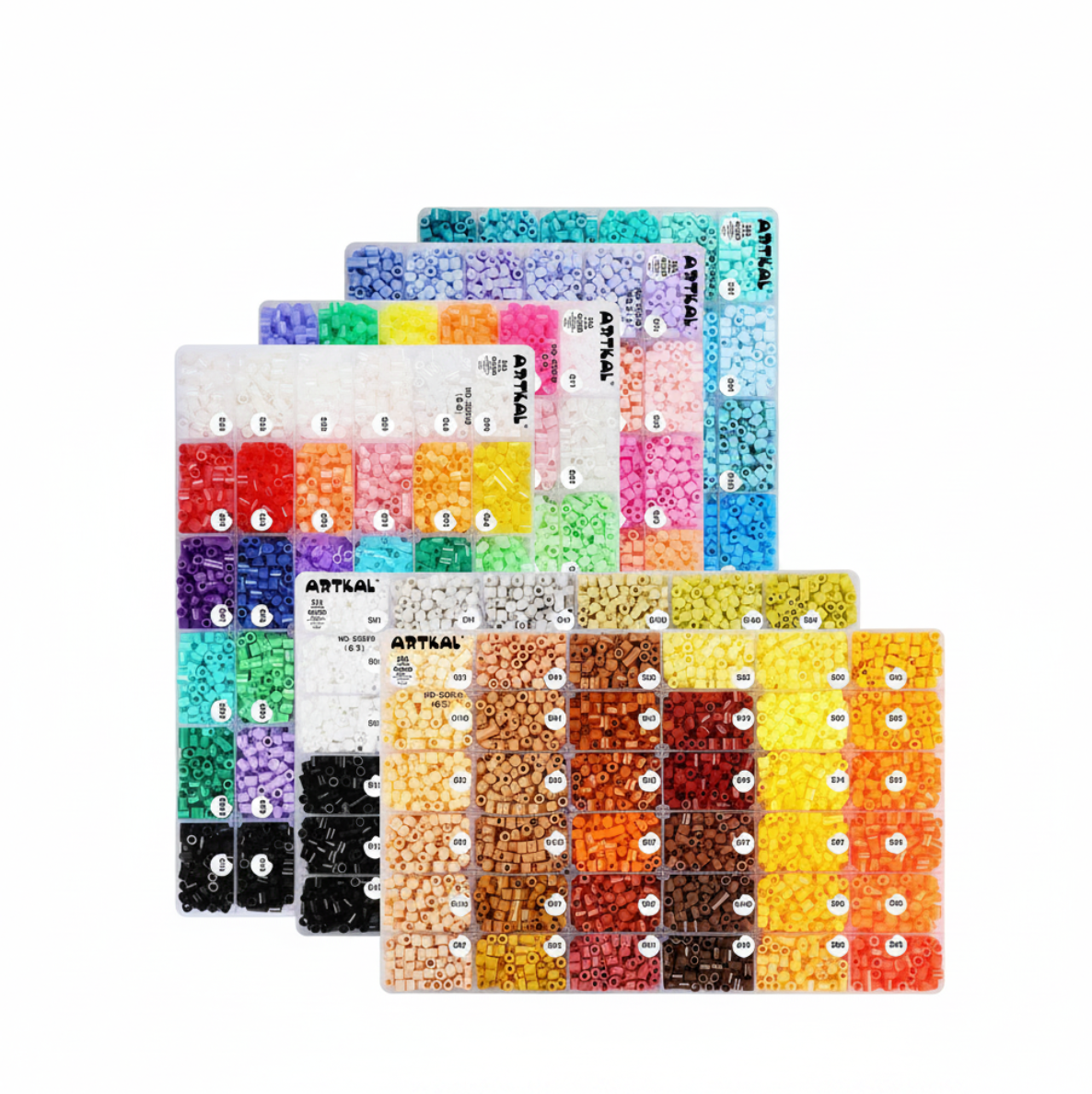
In this complete guide, we break down every type of Perler bead
color, explain the difference between standard, glitter, neon, pastel, glow-in-the-dark, and translucent beads, and give you pro tips for choosing, matching, and organizing your collection. Whether you're a beginner buying your first set or an experienced crafter expanding your stash, this guide will help you use Perler bead colors like a pro.
What Are Standard Perler Bead Colors?
Standard Perler bead colors are the basic, solid, opaque shades that come in most beginner and hobby sets. These are the most versatile, widely used, and easiest to melt evenly.
Standard colors include:
- Black
- White
- Red
- Blue
- Green
- Yellow
- Orange
- Purple
- Pink
- Brown
- Gray
These core shades work for almost any project, from simple keychains and magnets to detailed characters and large wall art. They melt consistently, look vibrant, and match most printed patterns.
If you're new to Perler beads, start with a standard color set. It gives you all the essentials you need to make hundreds of different designs without extra cost or confusion.
Special Effect Perler Bead Colors
Beyond basic solid shades, Perler offers many special-effect colors that add texture, shine, and personality to your crafts. Each type has a unique look and works best for specific styles.

Glitter Perler Beads
Glitter beads have tiny sparkles mixed into the plastic. They catch light and look magical on ornaments, jewelry, and holiday projects.
Best for:
- Christmas ornaments
- Party accessories
- Magical or fantasy designs
- Gift decor
Neon Perler Beads
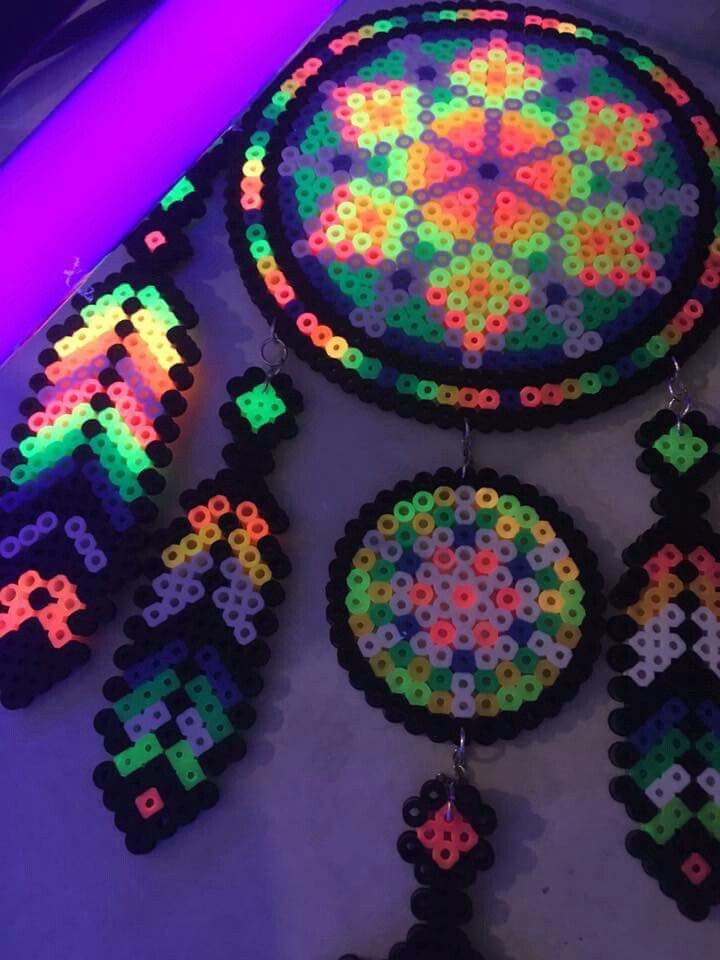
Neon colors are extremely bright and eye-catching. They glow faintly under blacklight and stand out in any design.
Best for:
- 80s/90s retro themes
- Summer crafts
- Party keychains
- Bold modern art
Pastel Perler Bead Colors
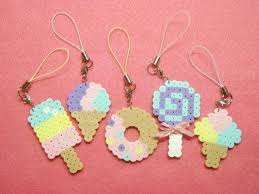
Pastels are soft, light, and gentle shades. They create a calm, cute, aesthetic look perfect for room decor, jewelry, and kawaii projects.
Popular pastels include:
- Light pink
- Baby blue
- Mint green
- Lavender
- Cream
Best for:
- Kawaii characters
- Room decor
- Earrings and necklaces
- Wedding or baby shower crafts
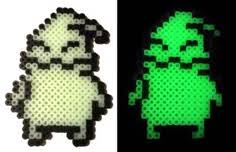
Glow-in-the-Dark Perler Beads
Glow beads charge in light and glow green or blue in the dark. They're fun for Halloween, night lights, and mysterious themed projects.
Best for:
- Halloween decorations
- Night lights
- Spooky characters
- Camping crafts
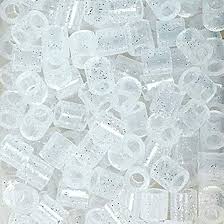
Translucent & Clear Perler Beads
Translucent beads are semi-see-through. They let light pass through, creating a stained-glass effect when used in suncatchers or lamp covers.
Best for:
- Suncatchers
- Night light covers
- Stained-glass style art
- Window decorations
How to Choose the Right Perler Bead Colors for Your Project
Choosing colors doesn't have to be hard. Use these simple rules to pick perfect shades every time.
- Start with a theme
Is your project summery, spooky, cute, retro, or realistic? Match your palette to the mood.- Summer → bright neons, blues, yellows
- Halloween → black, orange, purple, glow-in-the-dark
- Kawaii → pastels, white, light pink
- Nature → greens, browns, blues, yellows
- Use contrast
Make sure your main color and outline color stand out. Most crafters use black for outlines, but dark gray, dark blue, or dark brown also work. - Limit your palette
Too many colors look messy. Stick to 3–6 shades per small project for a clean, professional look. - Check how colors melt
Some shades look lighter or darker after melting. Test a few beads first if you're unsure.
Perler Bead Color Combinations That Always Look Good
You don't have to guess! These tested color schemes work for every style.
Classic Bold Palette
Red, white, black, blue
Great for: superheroes, logos, cartoon characters
Soft Kawaii Palette
Light pink, baby blue, white, lavender
Great for: accessories, room decor, jewelry
Nature Palette
Green, brown, yellow, light blue
Great for: animals, plants, outdoor themes
Spooky Halloween Palette
Black, orange, purple, glow-in-the-dark
Great for: ghosts, pumpkins, bats
Christmas Palette
Red, green, white, gold glitter
Great for: ornaments, gifts, tree decor
Retro 80s/90s Palette
Neon pink, neon green, black, white
Great for: retro gaming, pop art, vintage themes
How to Fix Common Perler Bead Color Problems
Even experienced crafters run into color issues. Here's how to fix the most common ones.
Problem 1: Colors look faded after melting
Use medium heat, avoid over-ironing, and use high-quality beads. Cheap beads often fade or darken when melted.
Problem 2: Colors bleed together
Iron evenly and gently. Don't hold the iron in one spot too long.
Problem 3: Colors don't match the pattern
Double-check bead names before you buy. Some shades have similar names but different tones.
Problem 4: Glitter beads don't sparkle enough
Iron lightly on one side or use extra glitter beads. Too much heat can reduce sparkle.
How to Organize Perler Bead Colors
Staying organized makes crafting faster, less stressful, and more fun.
- Use compartment boxes to separate colors
- Label each section by color name
- Store similar shades together
- Keep special-effect beads (glitter, neon) in their own section
- Use small bags for extra beads of the same color
A well-organized color system helps you find what you need instantly and keeps your crafting space clean.
How to Build Your Perler Bead Color Collection
You don't need to buy every color at once. Build your stash slowly with these steps.
- Start with a basic beginner set
- Add essential skin tones for characters
- Get pastels or neons based on your favorite style
- Add glitter or glow-in-the-dark for holidays
- Expand with individual shades you use often
This way you save money and only buy colors you actually use.
Final Thoughts
Perler bead colors turn simple plastic beads into expressive, beautiful pixel art. Whether you prefer bold neons, soft pastels, sparkling glitter, or classic solid shades, the right palette makes every project look cleaner, more professional, and more fun.
By understanding the different types of colors, using simple matching rules, and staying organized, you can create incredible Perler bead projects that stand out. No more guessing, no more messy stashes, no more mismatched designs.
Now you have everything you need to use Perler bead colors like a pro. Pick your palette, start creating, and let your imagination shine!