
What Are Perler Beads?
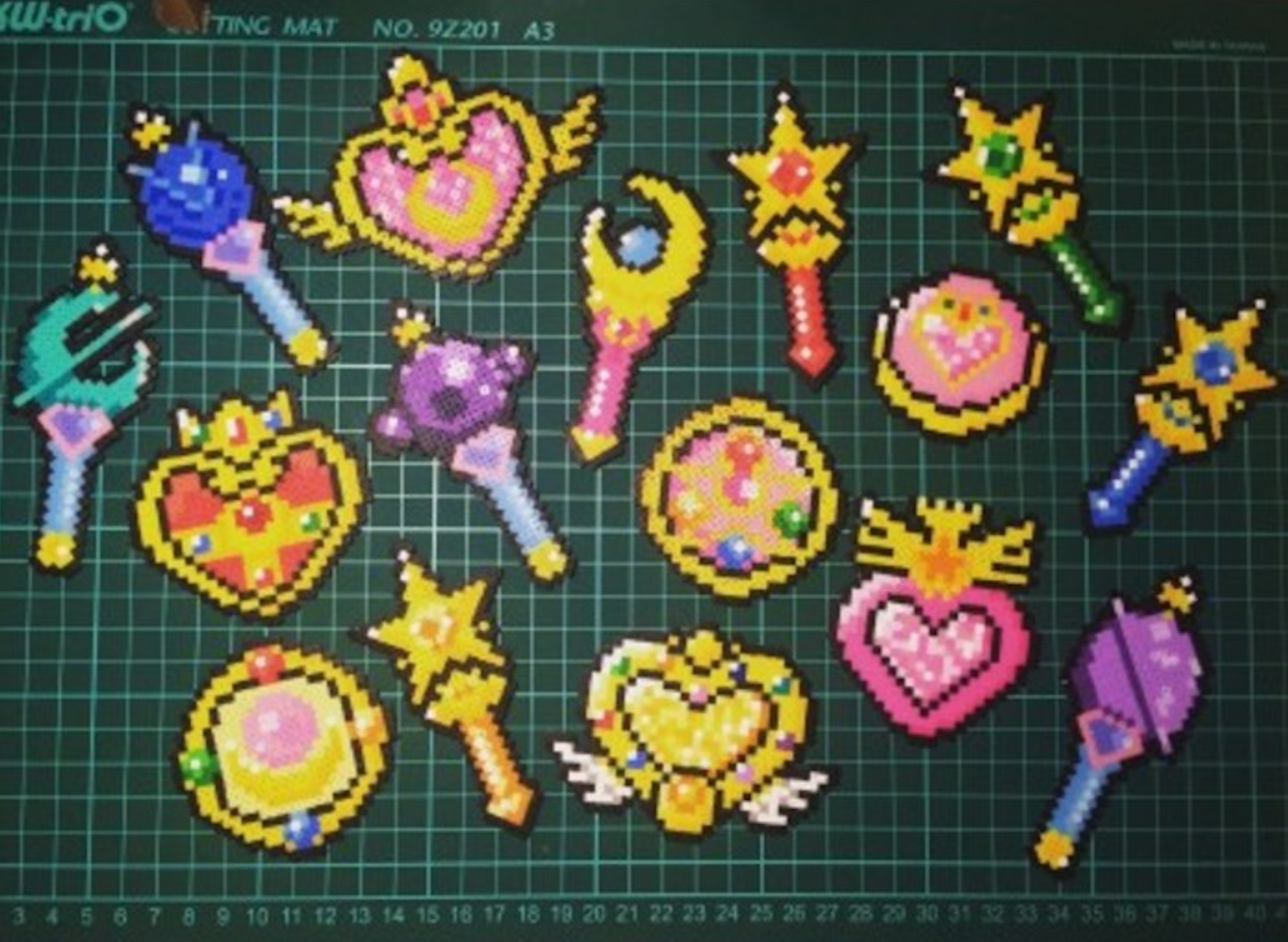
If you've ever seen colorful, pixelated shapes that look like they jumped straight out of an 8-bit video game, you've seen Perler beads. They're small, hollow plastic tubes that you arrange on a pegboard and melt together with a standard clothes iron.
The short answer: Perler beads are heat-activated fuse beads made from low-density polyethylene (LDPE) plastic. When heated, they soften and fuse into a single, solid piece of art.

The basics of fuse bead art
Perler is actually a brand name, but most people use it to describe any type of fuse bead. It's like calling every tissue a Kleenex. These beads are designed to be placed one by one onto a plastic grid called a pegboard.
Once your design is finished, you cover it with a special heat-resistant paper and run an iron over it for about 10 to 20 seconds. The heat melts the plastic just enough so the beads stick to their neighbors. After it cools, you peel it off the board, and you've got a permanent plastic creation.
It's a low-cost hobby that doesn't require much space. I've found it's one of the few crafts where you can get a professional-looking result on your very first try without spending a fortune on supplies.
Why people are obsessed with these plastic bits
It isn't just for kids. While it's great for developing fine motor skills in children, the adult community is massive. Here's why:
- Pixel Art: Since beads are uniform in size, they're the perfect medium for recreating characters from Pokémon, Zelda, or Minecraft.
- Stress Relief: Placing beads is repetitive and meditative. It's a great way to unplug from screens for an hour.
- Versatility: You can make anything from simple coasters to complex 3D sculptures and jewelry.
The best part? If you mess up a pattern, you just pick the bead up and move it. Nothing is permanent until you hit it with the iron.
The 3 things you actually need to start
You don't need a specialized studio. Most beginners start with a few basics and expand as they get hooked.
- The Beads: You can buy these in mixed buckets or individual color bags. I usually suggest starting with a few thousand beads in primary colors plus plenty of black and white for outlines.
- Pegboards: These are the plastic bases with tiny spikes. A large square board is the most versatile because you can often link multiple boards together for bigger projects.
- Ironing Paper: This is usually just parchment paper. Never iron directly on the beads, or you'll end up with a ruined iron and a melted mess. (Yes, even the expensive irons will get ruined instantly.)
If you want to skip the guesswork, a Perler bead kit usually includes everything you need to finish your first five or ten projects.
How to make your first project
Set up on a flat, stable surface. A kitchen table works best. Don't try this on an ironing board—they're often too wobbly for precise bead placement.
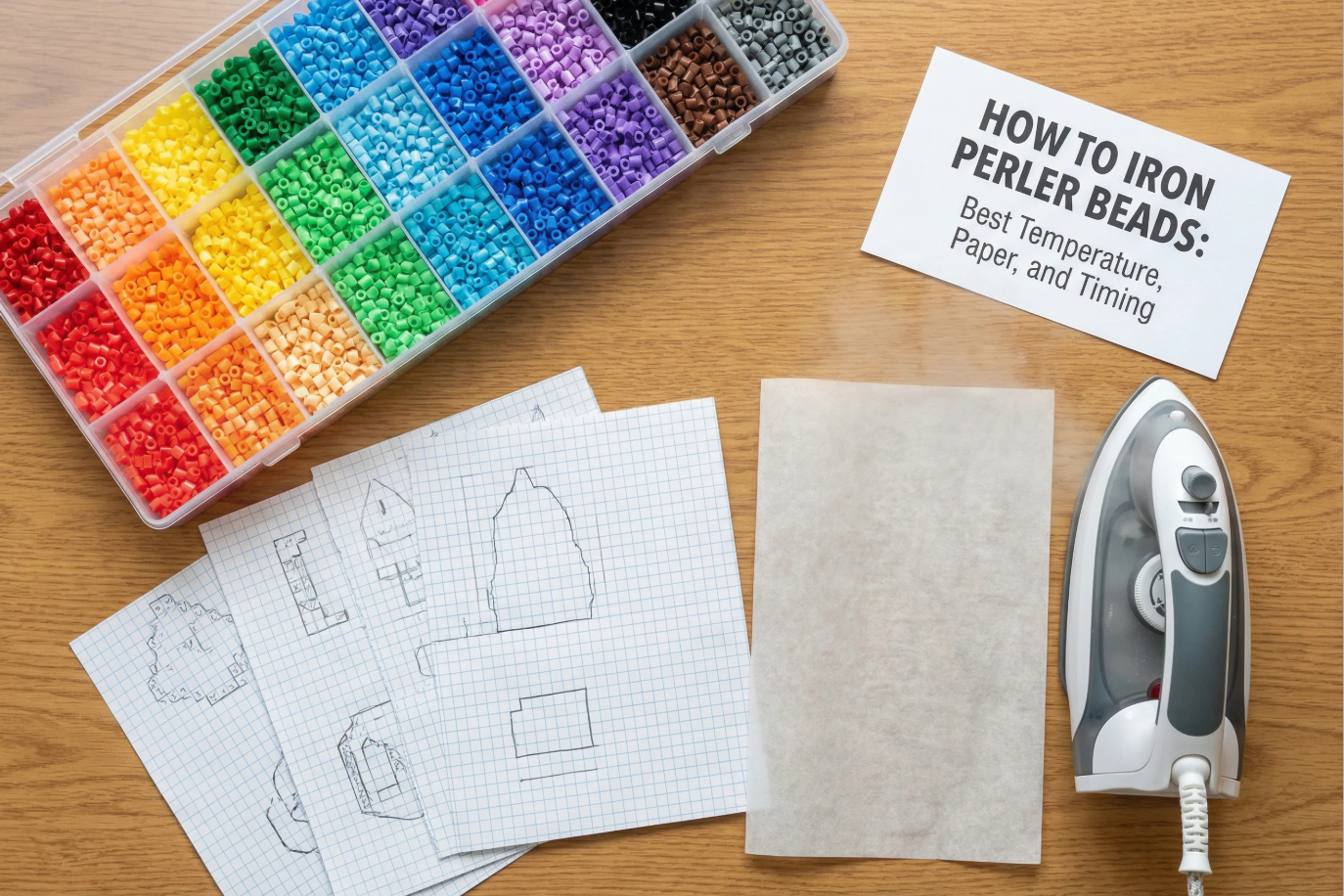
Place your beads on the pegboard following a pattern. You can find thousands of free designs online, or use a photo-to-pattern generator to create something custom. Once the design is ready, preheat your iron to a medium setting. No steam—water ruins the fusion process.
Cover the beads with your paper. Move the iron in slow, circular motions. You'll see the beads start to look slightly darker through the paper as they melt. That's your cue to stop. Let it cool for a few minutes before you try to move it. If you're impatient and peel it too early, the beads might pull apart.
Common mistakes (and how I avoid them)
The biggest frustration is the "over-melt." This happens when you hold the iron in one spot for too long, turning your pixels into a flat, unrecognizable puddle. Use light pressure. Let the heat do the work, not your arm strength.
Another tip: iron both sides. Once the first side is cool, flip the piece over, put the paper back on, and iron the back. This makes the final piece much more durable, especially if you're making keychains or magnets.
Comparing Perler to other brands
| Brand | How it Fuses | Best For |
|---|---|---|
| Perler | Heat (Iron) | Standard pixel art and 3D builds. |
| Hama | Heat (Iron) | Popular in Europe; slightly different melt point. |
| Aquabeads | Water Spray | Younger kids who shouldn't use an iron. |
Frequently Asked Questions
Are Perler beads the same as fuse beads?
Yes. Fuse beads is the general term for any bead that melts together. Perler is just the most common brand name you'll find in stores.
Can you reuse the pegboards?
Definitely. As long as you don't accidentally melt the plastic pegs with your iron, you can use the same board for years.
Do I need special paper?
Most kits come with a sheet, but standard kitchen parchment paper works perfectly. Don't use wax paper—the wax will melt onto your beads and ruin the finish.