
1. Effective Anti-Warping Methods (Stop Bending & Curling)
Warping is one of the most frustrating problems after ironing Perler beads. A perfectly designed piece can turn into a curled, misshapen mess within minutes if not handled correctly. Fortunately, with the right techniques, you can keep your crafts flat and professional-looking.
Cool Under Heavy Pressure Immediately After Ironing
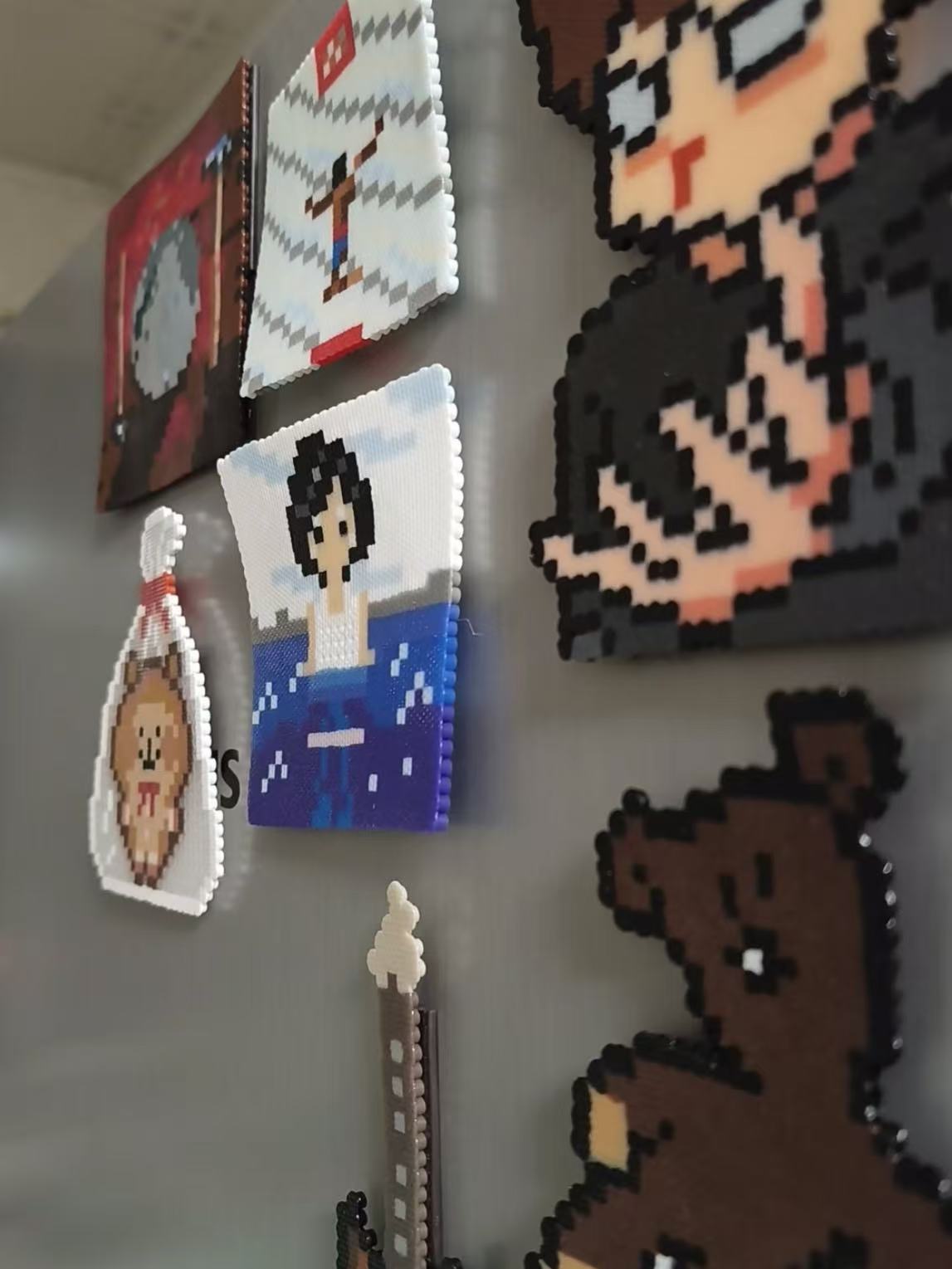
The single most effective way to prevent warping is to apply heavy, even pressure to your project while it cools. Right after ironing, while the beads are still hot and pliable, place a flat, heavy object directly on top of the piece. A large hardcover book, a flat glass cutting board, or a smooth marble slab works perfectly.
Why this works: As the melted plastic cools, it naturally wants to shrink and contract. Uneven cooling causes the edges to curl inward or outward. By applying weight across the entire surface, you force the piece to cool in a perfectly flat position. Keep the weight in place for at least 5–10 minutes, or until the piece is completely cool to the touch. Rushing this step is the number one cause of warped Perler art.
Control Iron Temperature and Time
Your ironing habits directly affect whether your project stays flat. Always use a dry iron with no steam—moisture can cause uneven heating and increase the risk of warping. Set your iron to medium heat (wool or cotton setting, never high). Over-melting beads is a major cause of warping because the plastic becomes too fluid and loses its structural integrity.
Pro tip: Iron in slow, circular motions for short intervals. Check your progress every 10–15 seconds. If you see beads collapsing or spreading too much, you've overheated the piece. Stop immediately and let it cool under pressure before continuing.


Iron Both Sides Evenly
Many beginners only iron the front side of their design, but this creates an imbalance. One side becomes melted and dense, while the other remains loose and textured. This unevenness pulls the piece out of shape as it cools.
Always iron both the front and back of your project. After the front side is finished and cooled slightly, flip the piece carefully and iron the back with the same heat and pressure. This balances the melting degree on both surfaces, resulting in a stable, warp-resistant craft. For extra durability, you can even iron the edges lightly to seal them.
2. Reinforcement Skills to Prevent Breaking & Loosening
Once your Perler bead creation is finished and flat, the next challenge is keeping it intact. Dropping, bumping, or even normal handling can cause beads to separate or break, especially on thin or delicate designs. These reinforcement techniques will dramatically improve durability.
Edge Reinforcement Treatment
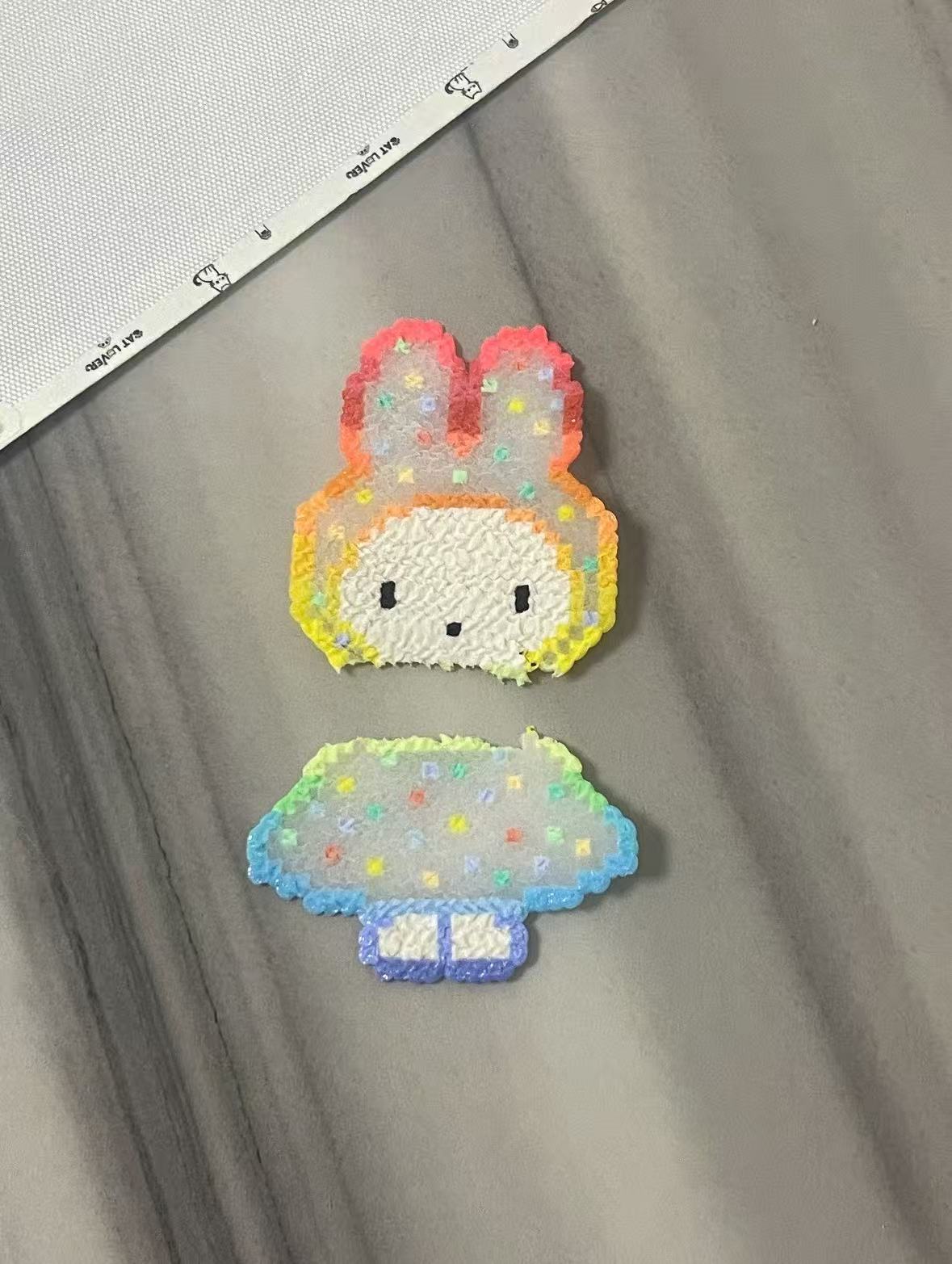
Thin edges—like the arms of a character or the tips of a star—are the most vulnerable spots on any Perler project. A small drop or even light pressure can snap these areas off.
How to reinforce: Before ironing, consider adding an extra layer of beads along thin borders. For example, if your design has a single-bead-thin arm, add a second bead next to it to create a double-thick edge. This small change greatly improves drop resistance. After ironing, the reinforced border will be much stronger without changing the visible outline of your design.
Apply Firm Craft Glue on Gaps
Even with perfect ironing, tiny gaps can exist between beads. These gaps are weak points where breakage starts. A simple solution is to apply a thin layer of clear, quick-drying craft glue to the back side of your project.
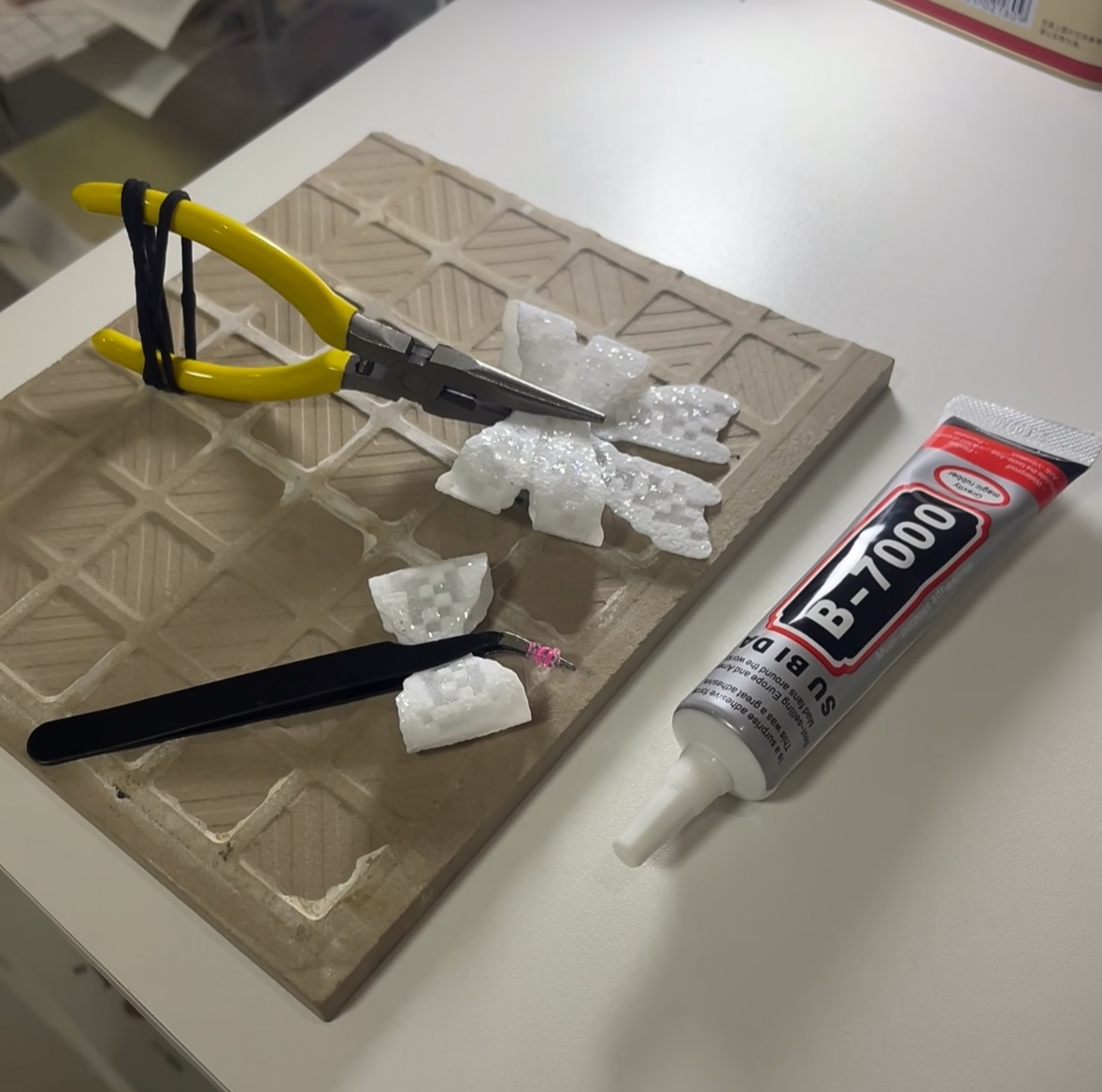
Best glue options: Use E6000, clear liquid epoxy, or a strong craft PVA glue. Apply sparingly with a toothpick or fine brush, working the glue into the gaps between beads. Let it dry completely (follow the manufacturer's instructions). The glue acts as a flexible binder, locking beads together without adding visible bulk. This technique is especially useful for keychains, ornaments, or anything that will be handled frequently.
Choose Thickened High-Quality Perler Beads
Not all beads are created equal. Name-brand Perler beads are made from high-density polyethylene plastic, which has better hardness and impact resistance. Cheap off-brand beads often use lower-quality plastic that is brittle and prone to cracking.
What to look for: When buying beads, feel the texture. Quality beads have a slightly waxy, dense feel. They melt evenly and fuse into a strong sheet. Cheap beads may feel lightweight or chalky. Investing in good beads from the start saves you from broken projects later. If you already have cheap beads, you can still use them—just be extra careful with reinforcement and avoid using them for thin or detailed designs.
3. Full Waterproof Finishing Tutorial
Water is the silent enemy of Perler bead crafts. While the plastic itself won't dissolve, moisture can seep between beads, causing them to loosen over time. Humidity can also make projects feel sticky or attract dust. Waterproofing your creations makes them safe for coasters, bathroom decor, outdoor ornaments, or even jewelry.

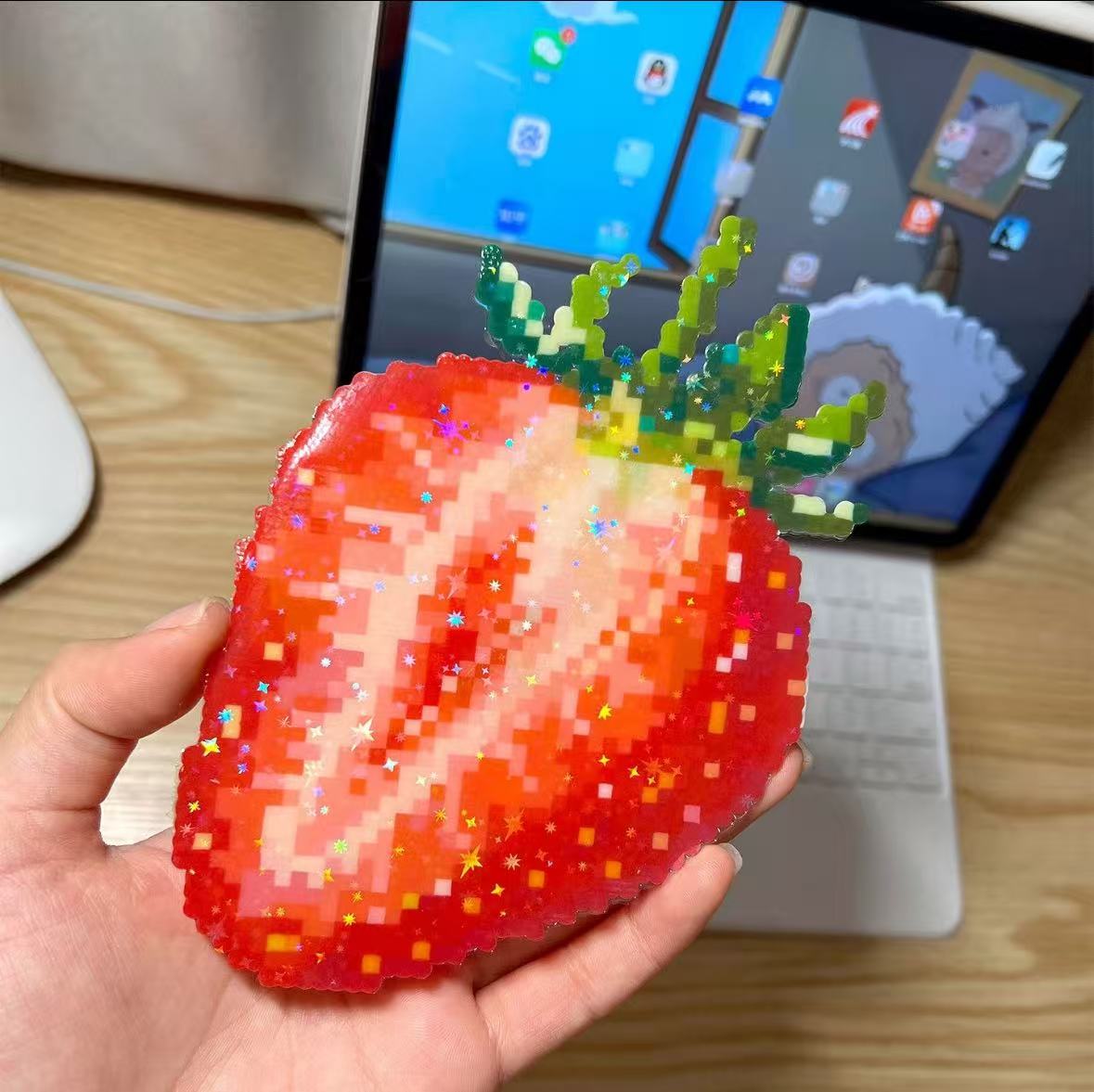
Method 1: Transparent UV Resin Coating (Best Effect)
UV resin provides a glass-like, waterproof seal that is both beautiful and durable. It's the best choice for items that will come into direct contact with water, like drink coasters or plant pot decorations.
Step-by-step:
- Ensure your bead work is completely clean, dry, and flat. Wipe away any dust or lint.
- Apply a thin, even layer of transparent UV resin to the front surface. Use a silicone brush or toothpick to spread it into all gaps.
- Cure the resin under a UV lamp (36W or higher) for 2–3 minutes, or place in direct strong sunlight for 10–15 minutes. The resin will harden into a glossy, waterproof shell.
- Repeat the same process on the back side.
- (Optional) For extra protection, apply a second coat after the first has fully cured.
Pro tip: Work in a well-ventilated area and wear gloves. UV resin is safe when used properly but can irritate skin before curing.
Method 2: Waterproof Craft Spray (Easy & Fast)
If you don't want to invest in UV resin, waterproof craft spray is an excellent alternative. It's faster, requires no special equipment, and works well for large projects or multiple pieces at once.
Step-by-step:
- Place your Perler craft in a well-ventilated area, ideally outdoors or near an open window.
- Hold the waterproof protective spray can about 8–10 inches away from the project.
- Spray evenly in sweeping motions, covering the entire surface lightly. Avoid pooling or dripping.
- Allow the first coat to air dry naturally (usually 10–15 minutes).
- Apply 2–3 thin layers for best results, letting each layer dry before adding the next.
Best uses: Craft spray is ideal for items that won't be fully submerged in water, such as wall art, magnets, or display pieces. It's also great for quickly waterproofing a large batch of projects.
4. Anti-Fade & Surface Protection Tips
Sunlight and friction are the two main causes of fading and surface damage on Perler bead crafts. Even with waterproofing, colors can lose their vibrancy over time if you don't take precautions.
Avoid Direct Strong Sunlight
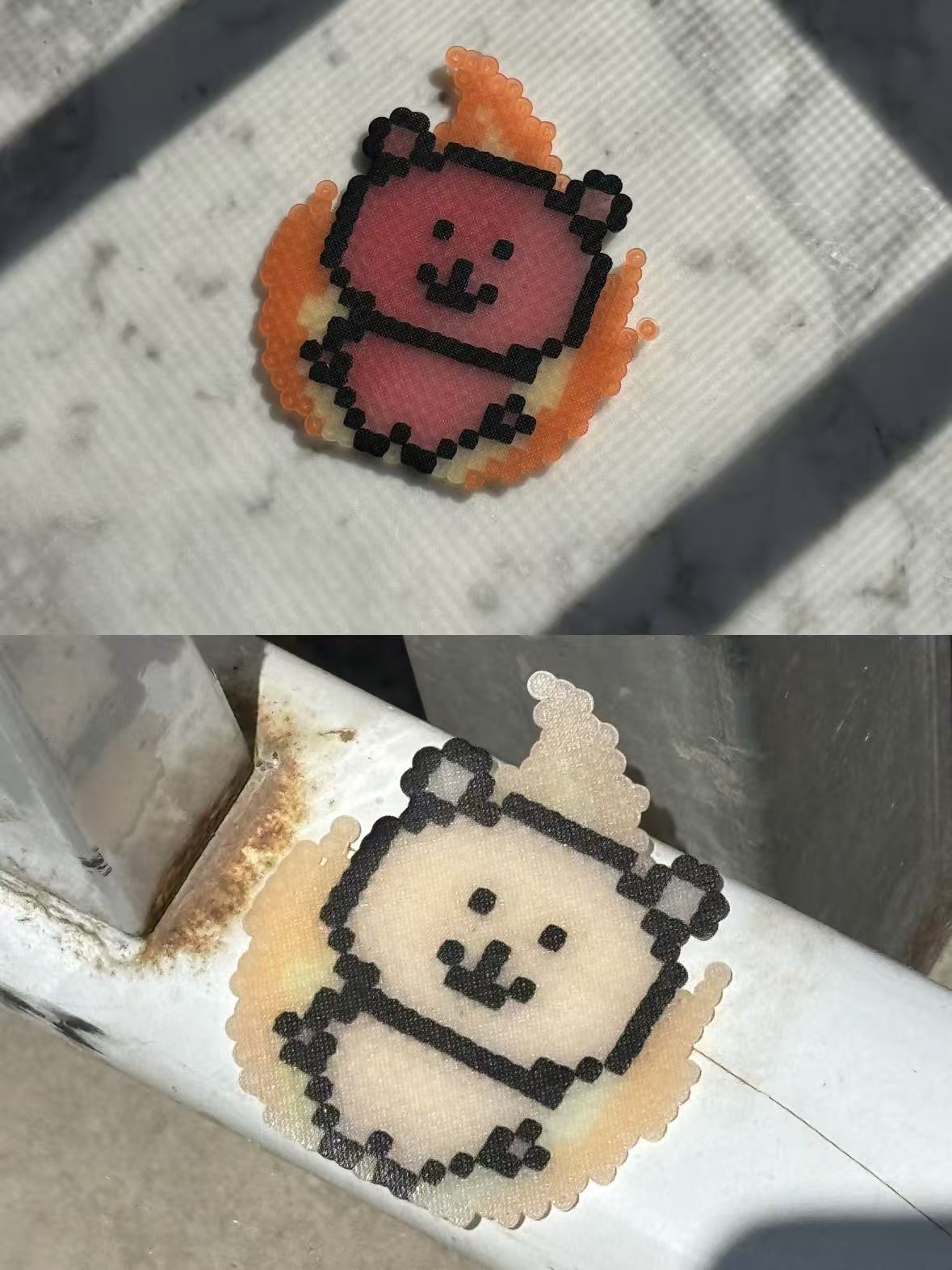
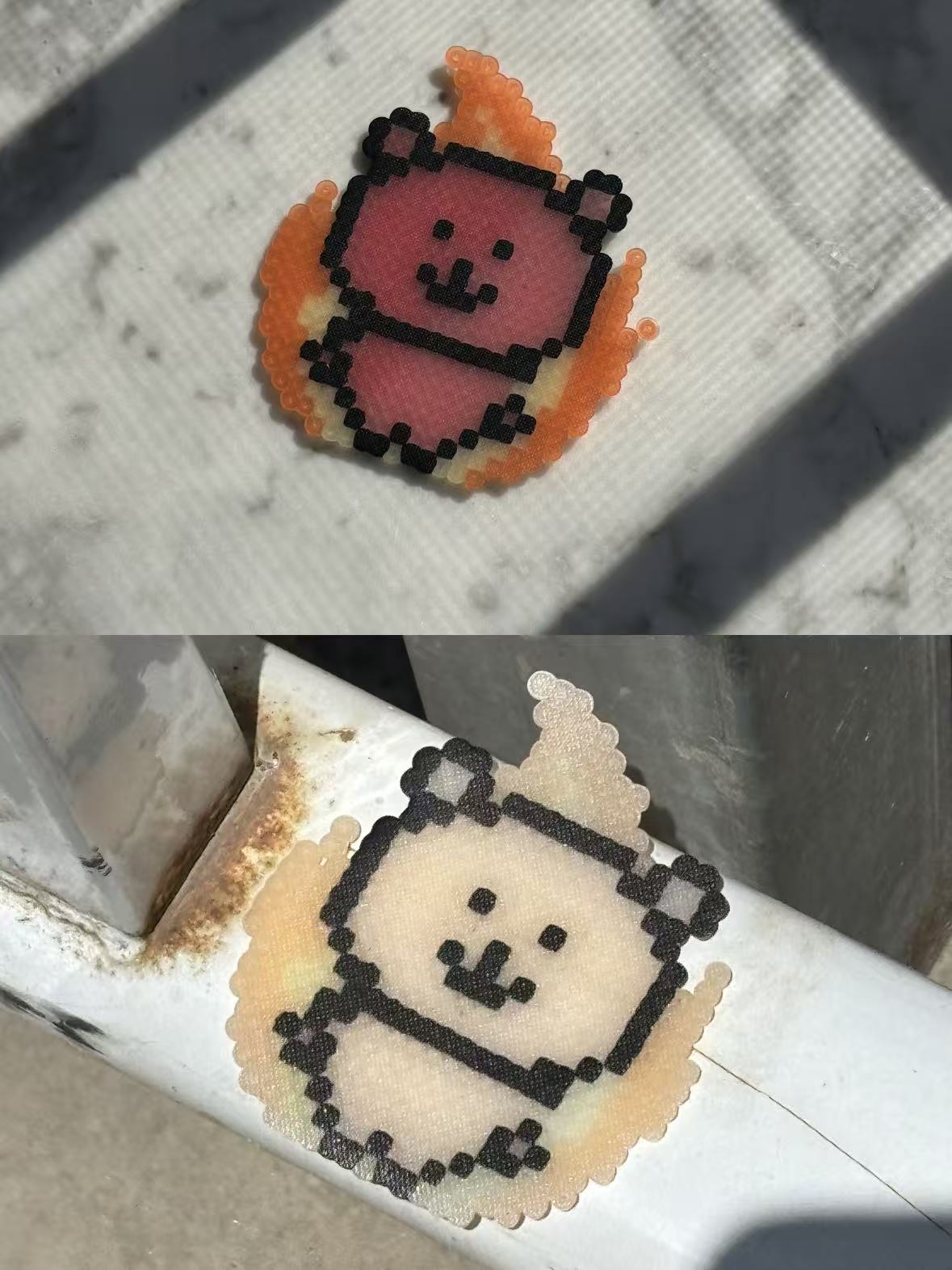
UV rays from the sun break down the pigments in plastic, causing colors to fade unevenly. Yellow, red, and blue tones are especially vulnerable. If your Perler art is displayed near a window or outdoors, the colors may start looking washed out within months.
Solution: Place finished crafts away from direct sunlight. Use UV-protective window film on nearby windows, or display pieces in shadow boxes with UV-filtering glass. For outdoor projects, always apply a UV-resistant clear coat spray in addition to waterproofing.
Do Not Rub the Surface Frequently
Every time you rub or scrub the surface of a Perler bead craft, you create microscopic scratches. Over time, these scratches build up, making the finish look cloudy or dull. Avoid cleaning with rough cloths, sponges, or abrasive cleaners.
Safe cleaning method: Use a soft microfiber cloth with a tiny amount of mild soap and water. Gently wipe—don't scrub. Dry immediately with a clean, soft towel.
Lock Colors with a Protective Layer
After applying a waterproof finish (either UV resin or craft spray), your colors will be locked firmly in place. The protective layer acts as a barrier against UV rays, moisture, and physical wear. With proper protection, your Perler bead crafts can stay bright and beautiful for years.
Final tip: For items that will be handled daily (like keychains or bag charms), consider adding a second protective layer after the first has fully cured. Double coating provides extra durability and ensures your hard work lasts.
By following these anti-warping, reinforcement, waterproofing, and anti-fade techniques, your Perler bead projects will not only look professional but also stand the test of time. Happy crafting!