
Placing 2.6mm mini beads one by one is a special kind of torture. One sneeze or a shaky hand and your half-finished pegboard becomes floor confetti. It's frustrating. Most of us start with those cheap plastic tweezers that come in the bucket, but eventually, the hand cramps become too much to ignore.
Bead pens are the standard solution for speeding things up. But they aren't all built the same. Some are great for filling in huge backgrounds, while others are basically useless for anything but standard 5mm beads.
The Quick Verdict: Which Tool Wins?
If you want the short version: Tweezers are mandatory for detail and mini beads. A single-pin bead pen is the best all-around upgrade for speed and comfort on standard projects. Double-pin pens are niche tools for massive, single-color blocks.
| Tool | Speed | Precision | Best For |
|---|---|---|---|
| Precision Tweezers | Slow | Highest | Mini beads & corrections |
| Single-Pin Pen | Moderate | High | Daily 5mm projects |
| Double-Pin Pen | Fast | Medium | Large backgrounds |
| Bead Scoop | Very Fast | Low | Bulk sorting & cleanup |
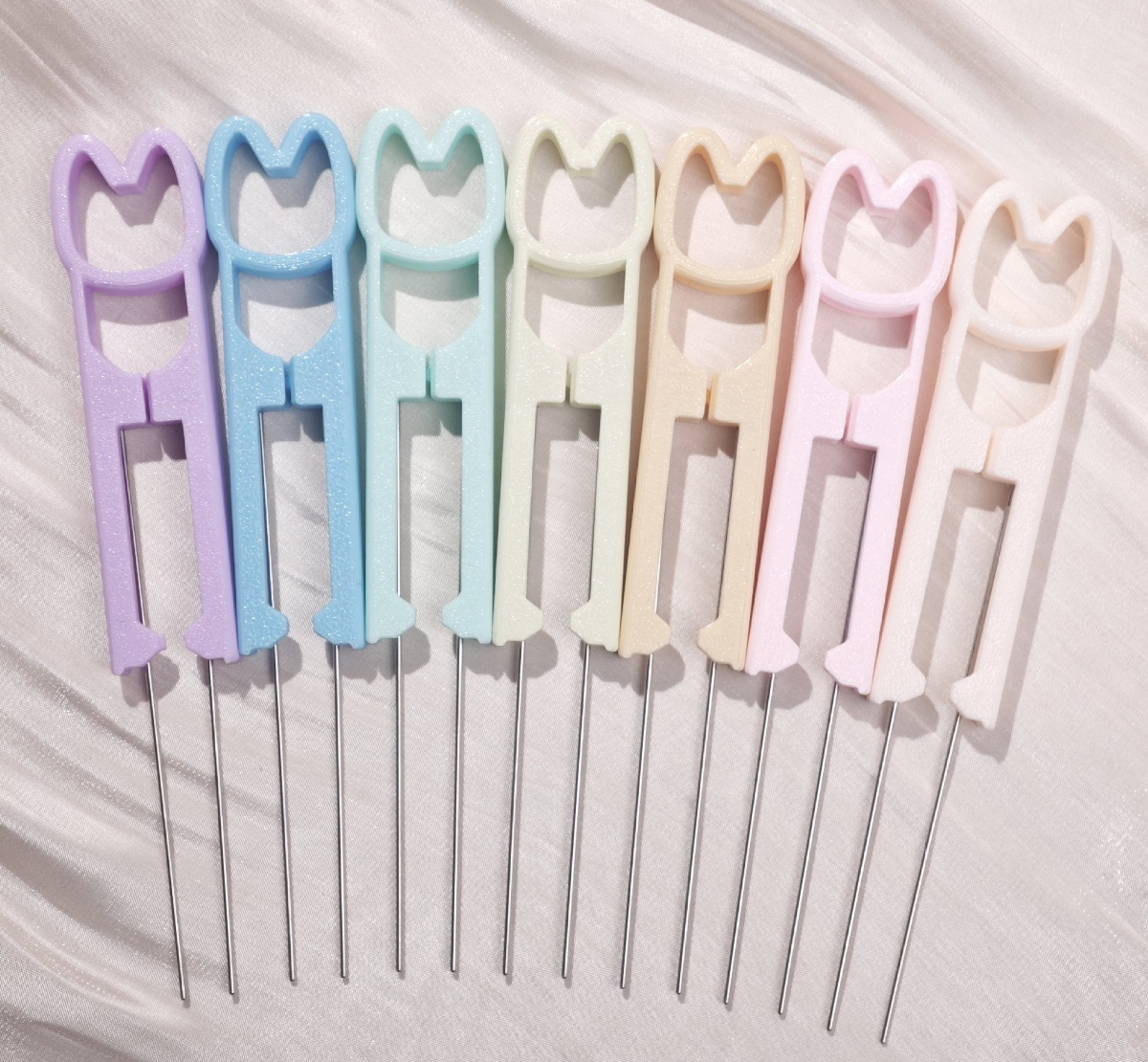
Tweezers: The Precision Standard
Tweezers are the baseline. Even if you own every pen on the market, you'll still reach for these. They're the only reliable way to swap a single misplaced bead in the middle of a crowded design without knocking over ten others. (Yes, even the expensive pens jam or misfire sometimes.)
I personally prefer stainless steel versions with an angled tip. They give you a better line of sight when working on complex designs generated by a photo-to-pattern tool.
- Pros: Highest accuracy; works for both 2.6mm and 5mm beads; zero setup.
- Cons: Causes significant hand fatigue; slow for large areas.
The best way to use tweezers is for vertical placement. Instead of dragging beads across the board, drop them straight down onto the peg to avoid shifting the neighbors. These stainless steel precision tweezers are a solid choice for those moving away from plastic versions.
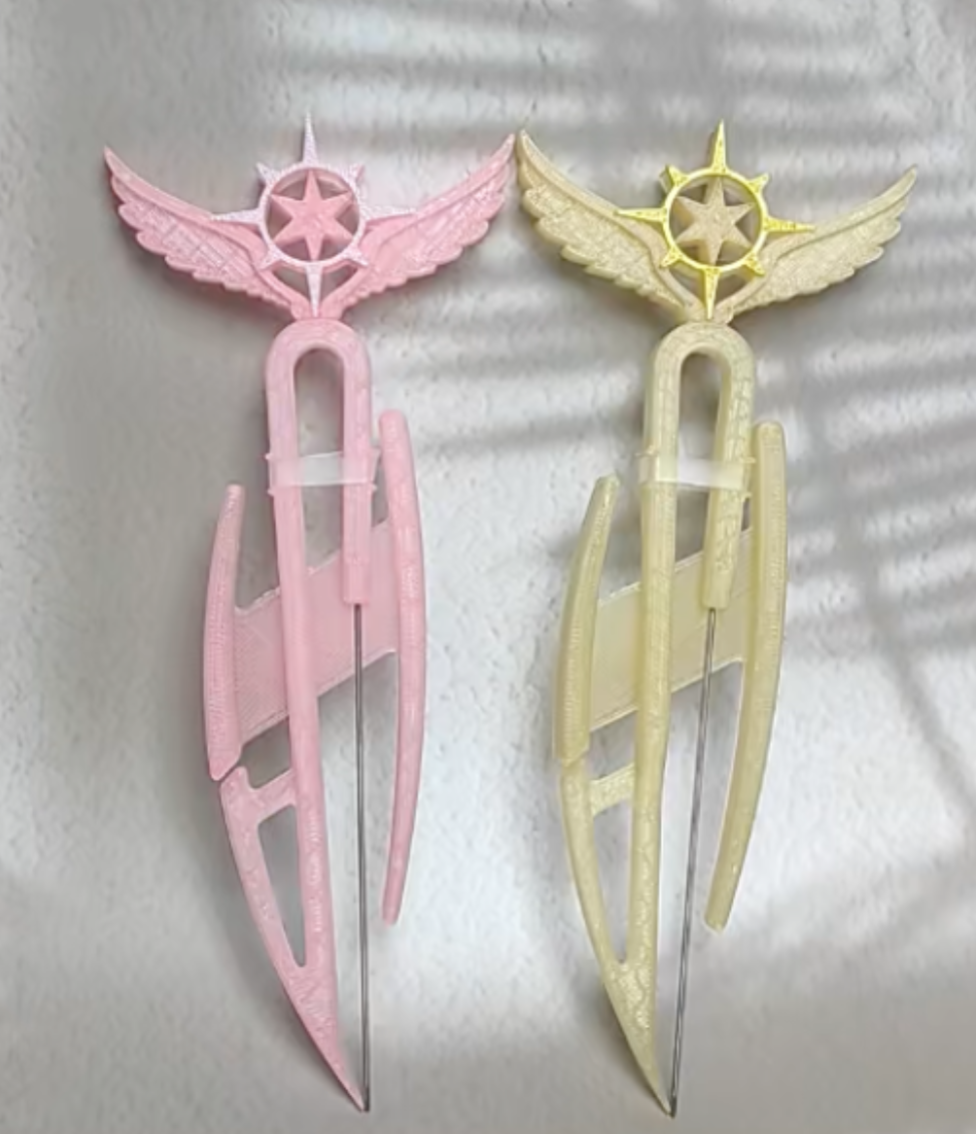
Single-Pin Bead Pen: The Daily Driver
This is usually the first real upgrade people buy. It's a spring-loaded tool that picks up and releases one bead at a time with a click. Once you find a rhythm, it's about 30% faster than tweezers. It's rhythmic. Click, place, click, place.
It's much easier on the hands because you're using a clicking motion rather than a constant pinch. However, switching colors is a bit of a chore. You have to empty the pen before moving to the next shade. For that reason, I usually only load it when I have at least 20-30 beads of the same color to place.
The definitive answer for most crafters: A single-pin bead pen is the most versatile tool for standard 5mm fuse beads. It balances speed with enough control to handle most patterns.

Double-Pin Pen: For the Big Projects
If you're filling in a massive sky or a solid black background, a single-pin pen feels like trying to paint a house with a toothbrush. A double-pin tool picks up two beads at once. It's specialized. It isn't great for patterns with constant color swaps, but for monochrome sections, it's a massive time saver.
It takes about 15 minutes to get the muscle memory down. You have to hold it at a specific angle so both beads hit the pegs simultaneously. If you're off by a millimeter, one bead stays in the pen and the other rolls under your desk.
This heavy-duty double-pin pen is worth the investment only if you're regularly doing projects larger than a single pegboard. For small sprites, it's more of a hindrance than a help.
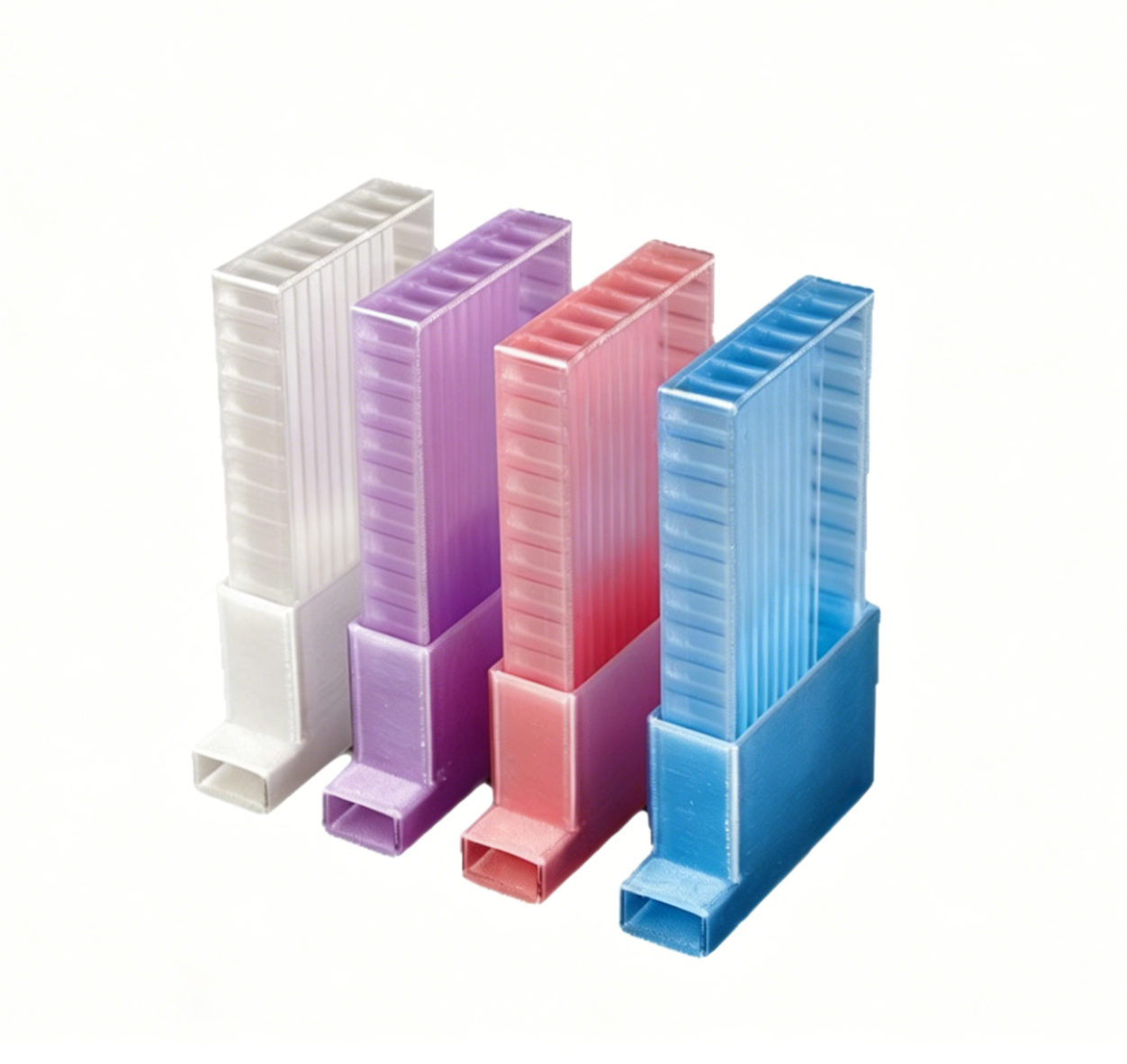
Bead Scoops and Bulk Tools
Scoops aren't for placement; they're for volume. Some artists use the "shake and set" method—pouring beads over a board and shaking it until they fall into place. It's messy. You'll spend a lot of time picking stray beads off the board with your tweezers afterward.
I mostly use scoops for cleanup. Sweeping a thousand loose beads back into a container is much faster with a flat spatula tool than by hand.
Pro Tips for Better Placement
Don't learn on your masterpiece. Spend 10 minutes practicing with a new pen on an empty board first. It helps to pair your pen with a flat bead tray rather than a deep jar; the shallow surface makes the pickup motion much smoother.
Also, take breaks. No tool completely eliminates fatigue. If your neck or wrists start to ache, stop for ten minutes. The beads aren't going anywhere.
Frequently Asked Questions
Do bead pens work with all brands?
Generally, yes. As long as the size is correct, the bead pen will work with most beads. Brands like Perler, Hama, and Artkal are all compatible.
Can I use a bead pen for mini beads?
Some bead pens are specifically designed for mini beads, so you can use them.
How do I stop my bead pen from jamming?
Jams usually happen because of irregular bead shapes. If a bead is slightly melted or squashed in the bag, it'll get stuck. Keep a needle or thin wire nearby to clear the barrel if it happens.