
Choosing the right pegboard size is one of the most important decisions for any Perler bead project. The wrong size can mean your design doesn't fit, you run out of space, or you waste hours on a project that could have been much simpler.
In this guide, we'll break down every common pegboard size, explain what each one is best for, and help you choose the perfect board for your next project. By the end, you'll never grab the wrong pegboard again.
Why Pegboard Size Matters
Before we dive into specific sizes, let's talk about why this matters in the first place.
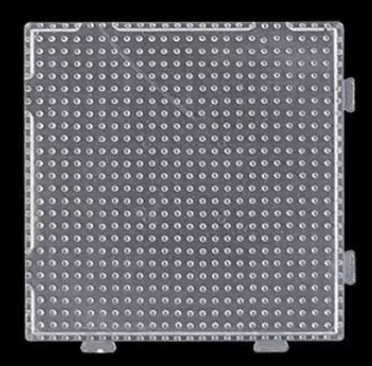
Pegboard size affects three things:
- Project dimensions – Your finished piece can only be as large as your pegboard (unless you connect multiple boards).
- Ironing difficulty – Larger boards are harder to iron evenly and more prone to warping.
- Time investment – A 50x50 project takes hours longer than a 20x20 project.
Choosing the right size saves you time, frustration, and wasted beads. Let's look at your options.
Small Pegboards (15x15 to 30x30 beads)
Small pegboards are the most common size for beginners and everyday crafters. They typically measure between 15x15 and 30x30 beads.
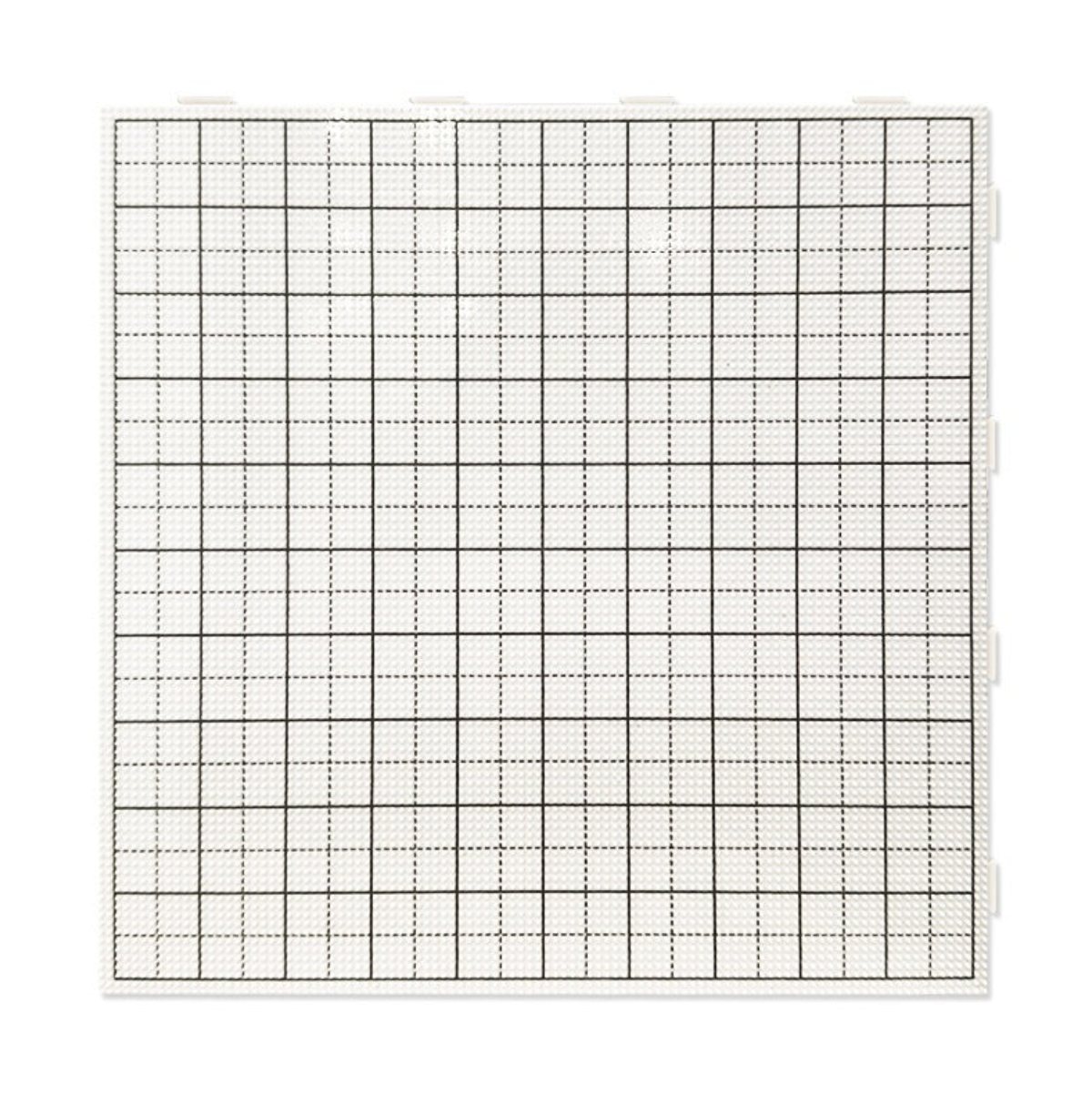
Best for:
- Keychains and bag charms
- Fridge magnets
- Earrings and small jewelry
- Gift tags and ornaments
- Practice projects for beginners
- Small character designs (animals, food, emojis)
Advantages:
- Quick to complete (15-30 minutes per project)
- Easy to iron evenly
- Less prone to warping
- Portable and easy to store
- Great for kids and beginners
Disadvantages:
- Limited to small designs only
- Cannot make wall art or large decorations
Pro tip: If you're just starting out, begin with a small pegboard. Master the basics on small projects before scaling up.
Medium Pegboards (30x30 to 60x60 beads)
Medium pegboards are the sweet spot for most hobbyists. They give you room for detailed designs without becoming unmanageable.
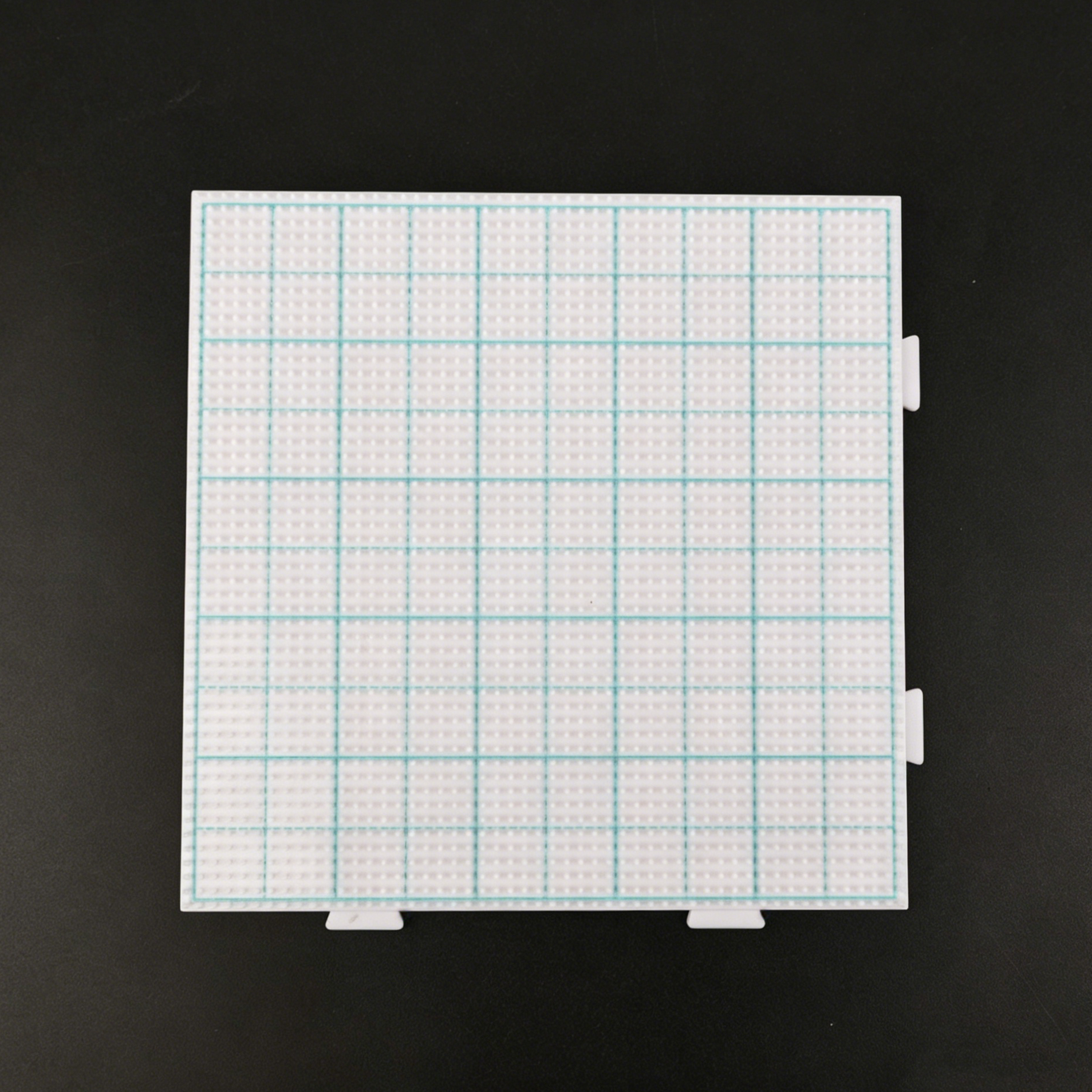
Best for:
- Coasters and trivets
- Picture frames
- Medium-sized characters (Disney, anime, gaming)
- Simple 3D projects (boxes, small containers)
- Holiday decorations
Advantages:
- Good balance between size and manageability
- Detailed enough for most patterns
- Still fits on most craft tables
- Ironing is manageable with practice
Disadvantages:
- Takes 1-2 hours to complete
- Requires careful ironing to avoid uneven melting
- More prone to warping than small boards
Pro tip: For medium projects, always iron both sides and cool under a heavy book. This prevents the warping that larger pieces are prone to.
Large Pegboards (60x60 to 80x80+ beads)
Large pegboards are for serious projects. Some crafters even connect multiple large boards to create massive wall art spanning 100x100 beads or more.
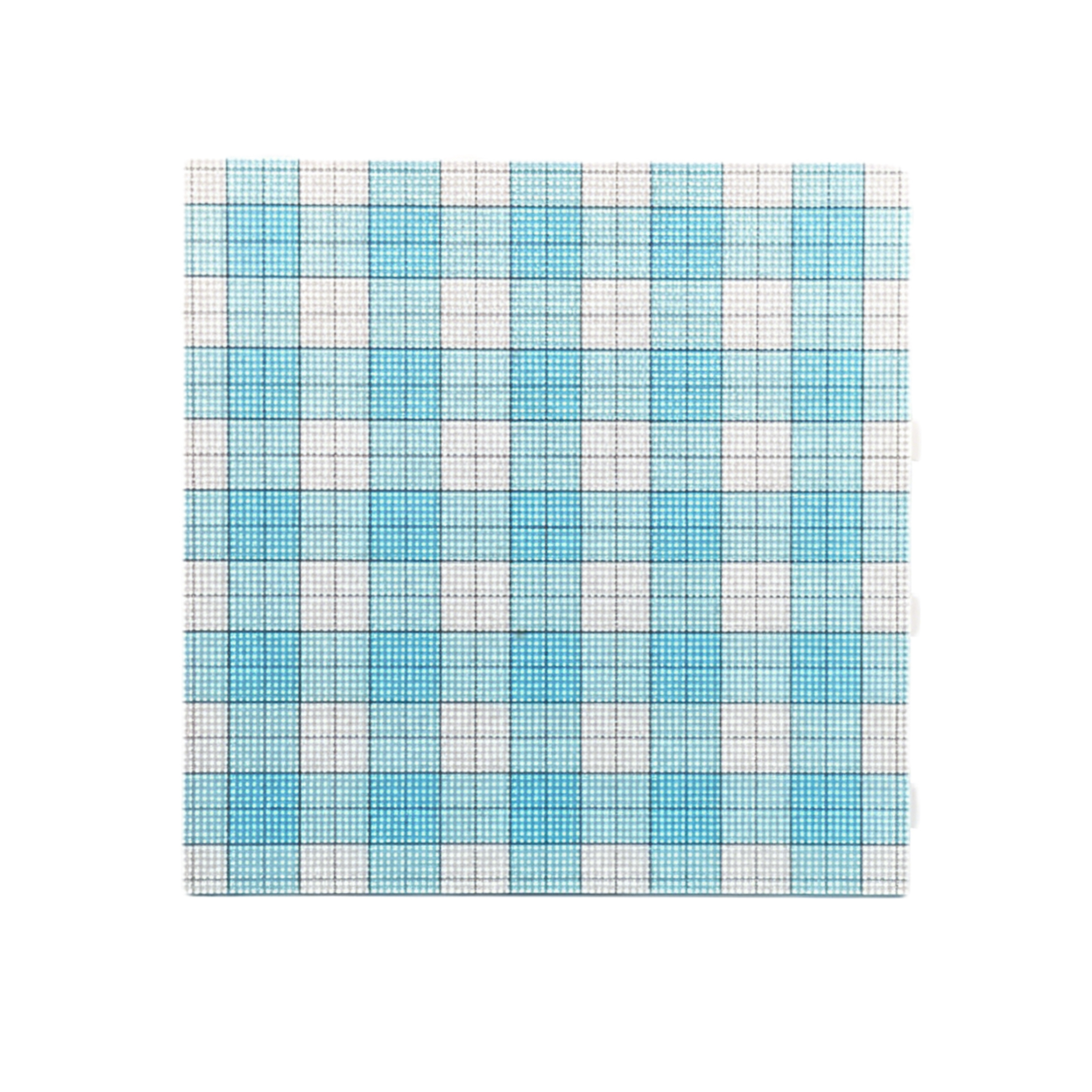
Best for:
- Wall art and home decor
- Large portraits and detailed scenes
- 3D structures (houses, castles, large boxes)
- Gifts for special occasions
- Commission pieces for sale
Advantages:
- Can create stunning, detailed artwork
- Professional-looking results
- Impressively large scale
Disadvantages:
- Takes many hours (5-20+ hours per project)
- Difficult to iron evenly
- High risk of warping
- Requires the tape method (can't iron directly on the board)
- Needs large, flat storage space
Pro tip: Never iron large projects directly on the pegboard. Learn the tape method first. Also, invest in interlocking pegboards so you can expand your design area as needed.
Shape-Specific Pegboards
Beyond square and rectangular boards, Perler also offers shape-specific pegboards. These are designed for particular types of projects.
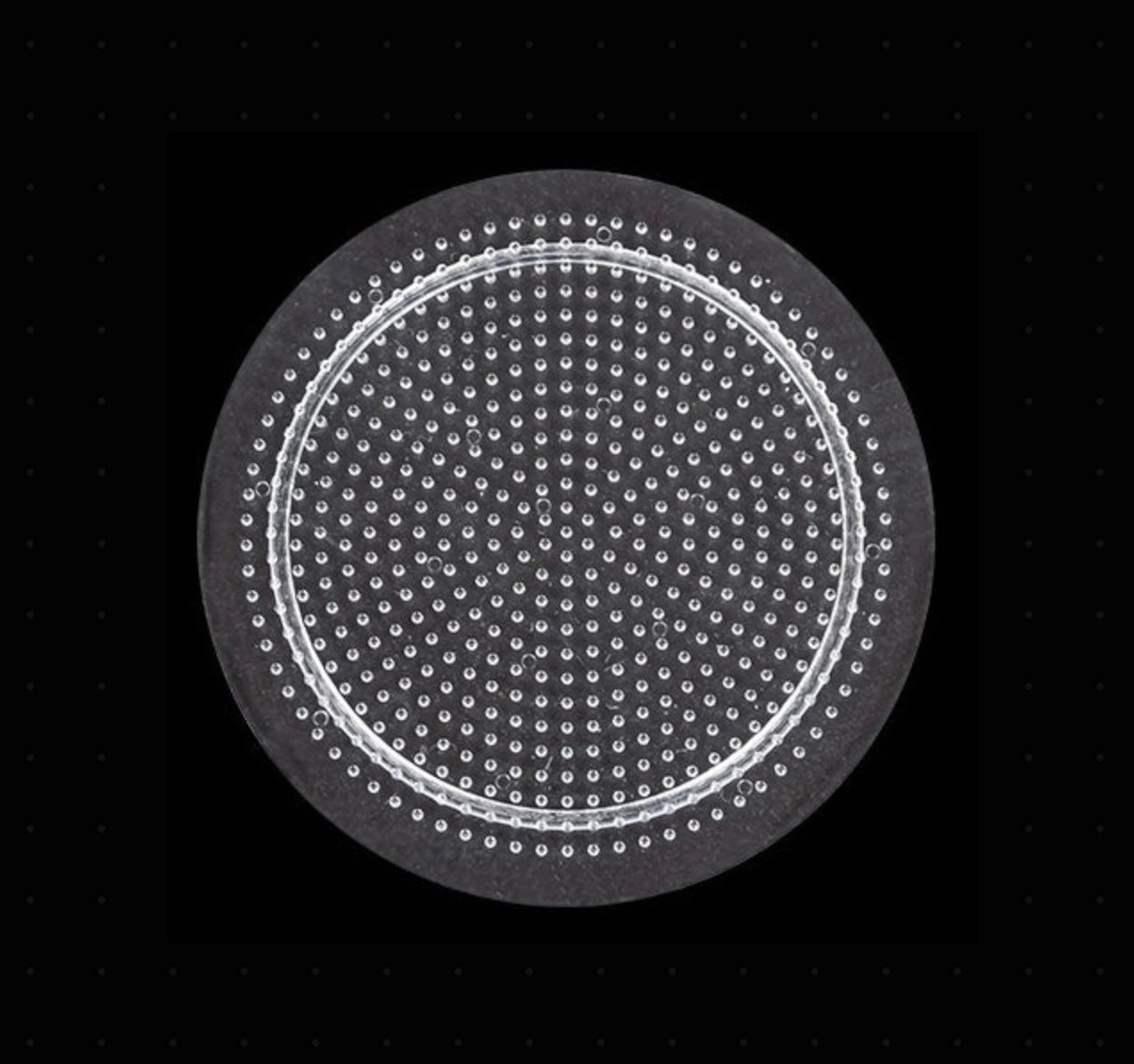
Circle pegboards
Best for: Coasters, ornaments, suncatchers, mandalas
Typical size: 30-60 beads in diameter
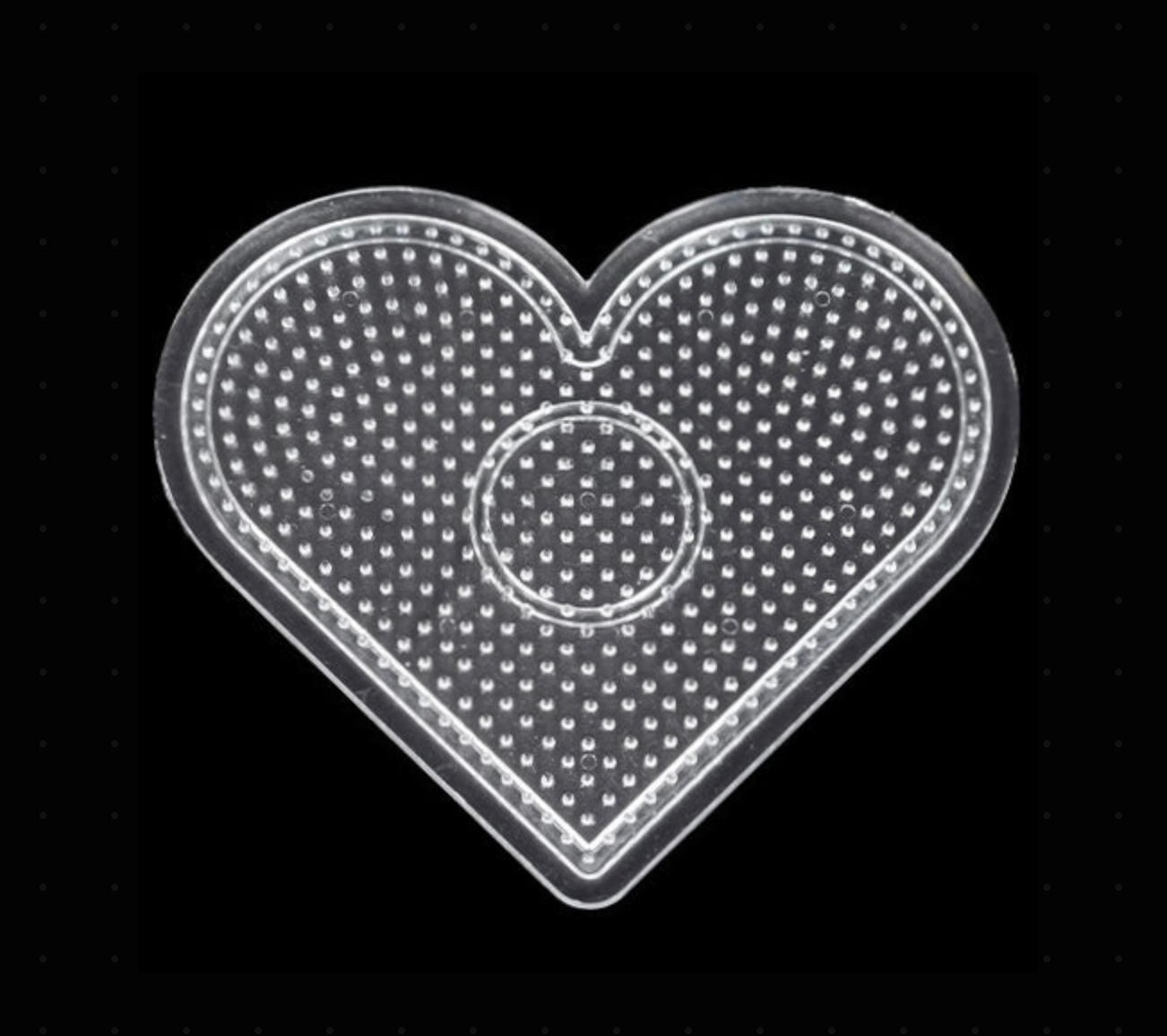
Heart pegboards
Best for: Valentine's Day projects, romantic gifts, wedding favors
Typical size: 25-40 beads at widest point
Star pegboards
Best for: Patriotic projects, holiday decorations, awards
Typical size: 30-45 beads at widest point

These shape-specific boards save time because you don't have to build the outline yourself. However, they're less versatile than square boards. Most crafters own one or two shape boards plus several square boards in different sizes.
Interlocking Pegboards: For Projects Larger Than One Board
What if your design is bigger than any single pegboard? That's where interlocking pegboards come in.
Interlocking pegboards have tabs and slots on their edges. You can connect multiple boards to create a larger, continuous work surface. Most square pegboards are designed to interlock.
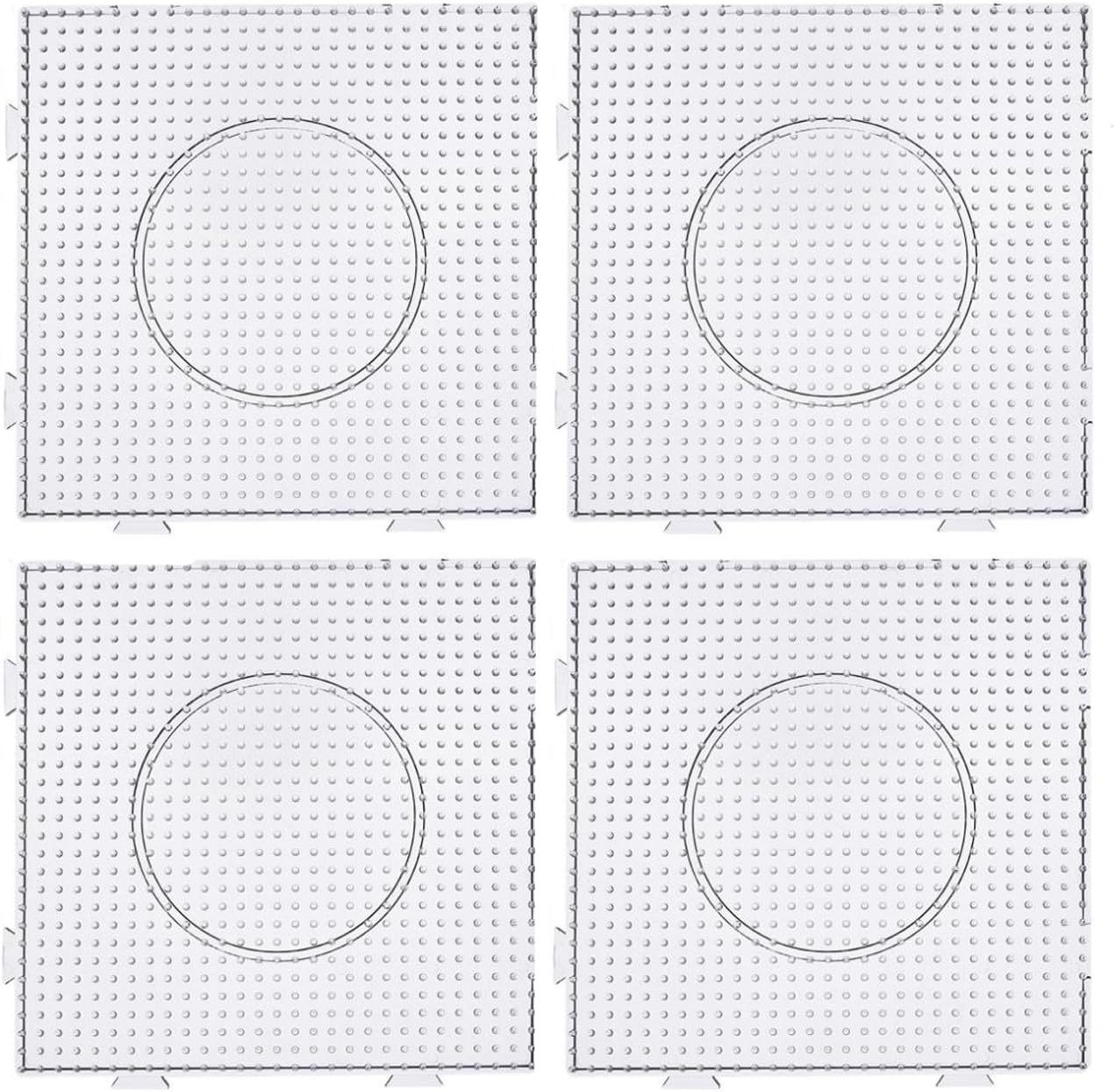
Common configurations:
- 2 boards together (2x1 layout)
- 4 boards together (2x2 square)
- 6 boards together (3x2 rectangle)
- 9 boards together (3x3 large square)
When to use interlocking boards:
- Your design exceeds 50x50 beads
- You're making wall art or a large portrait
- You want to work on a large project without buying a giant specialty board
Important note: When using interlocking boards, you must use the tape method. Ironing directly on connected pegboards is extremely difficult and will almost certainly warp your boards and ruin your project.
How to Choose: A Simple Decision Guide
Still not sure which pegboard to use? Follow this simple flowchart.
Ask yourself these questions:
1. What type of project am I making?
Keychain/magnet → Small board (15x15 to 30x30)
Coaster/decoration → Medium board (30x30 to 50x50)
Wall art/portrait → Large board or interlocking boards (50x50+)
Special shape (circle, heart) → Shape-specific board
2. How much time do I want to spend?
15-30 minutes → Small board
1-2 hours → Medium board
5+ hours → Large board
3. What's your skill level?
Beginner → Start with small board
Intermediate → Medium board
Advanced → Large boards and interlocking setups
4. Do you have the tape method mastered?
No → Stick to small or medium boards where you can iron directly
Yes → Large boards and interlocking are now safe for you
How Many Pegboards Should You Own?
You don't need every size. Here's a recommended starter collection:
- 1 small square board (30x30) – For keychains, magnets, practice
- 1 medium square board (50x50) – For coasters, characters, gifts
- 1 circle board – For coasters and ornaments
- 1 extra small board or shape board – For variety
As you advance, add:
- Additional small boards (to make multiple pieces at once)
- Interlocking boards for large projects
- More shape boards (heart, hexagon, star) based on your interests
Caring for Your Pegboards
Pegboards are reusable, but they need proper care to last.
Do:
- Store pegboards flat, not leaning or stacked under heavy objects
- Clean them gently with a soft brush or cloth
- Use the tape method for large projects
- Replace boards when pegs break or bend
Don't:
- Iron directly on pegboards for large projects
- Use high heat (medium is fine)
- Leave the iron in one spot too long
- Stack heavy items on top of stored pegboards
With proper care, a good pegboard can last for years and hundreds of projects.
Final Thoughts
Choosing the right pegboard size might seem like a small decision, but it has a huge impact on your crafting experience. The right size saves time, reduces frustration, and helps your projects turn out better.
Start small. Master the basics on a small or medium board. As your skills grow, expand your collection. Eventually, you'll have a set of pegboards that can handle anything from a tiny keychain to a massive wall mural.
Remember: there's no single "best" pegboard. The best board is the one that fits your project, your skill level, and your available time.
Now go choose your pegboard and start beading!